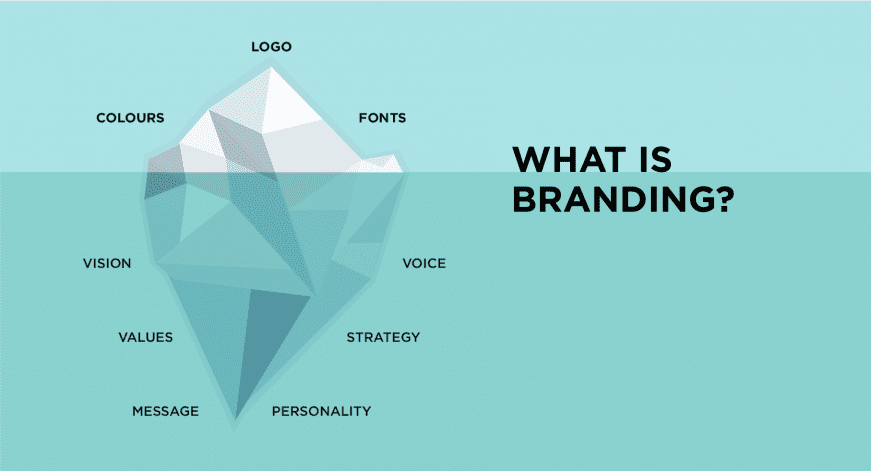
Understanding branding and marketing is crucial for any business, large or small. It’s more than just slapping a logo on a product; it’s about crafting a unique identity and effectively communicating that identity to your target audience. This journey delves into the intricacies of both branding and marketing, revealing how they work together to build lasting customer relationships and drive business growth.
From defining core branding elements to exploring various marketing strategies, this guide offers a deep dive into the world of business promotion. We’ll examine the fundamental principles, highlight successful campaigns, and discuss the evolving role of digital marketing in today’s interconnected landscape. This exploration is designed to equip you with the knowledge needed to navigate the dynamic realm of branding and marketing.
Defining Branding and Marketing
Branding and marketing are crucial for any business aiming to thrive in today’s competitive landscape. They are intertwined strategies that, when implemented effectively, can significantly enhance a company’s reputation, customer loyalty, and ultimately, its profitability. Understanding the nuances of branding and marketing is vital for achieving these goals.A strong brand resonates with customers on an emotional level, fostering trust and loyalty.
Effective marketing strategies translate this brand resonance into tangible actions, driving sales and achieving business objectives.
Defining Branding
Branding is more than just a logo or a tagline. It’s the comprehensive process of creating a unique identity for a product, service, or company. This identity encompasses a set of values, beliefs, and promises that customers associate with the brand. Core elements include a brand’s personality, values, visual identity (logo, colors, typography), and brand voice (tone and style of communication).
A strong brand fosters recognition, trust, and ultimately, loyalty.
Brand Identity vs. Brand Image
Brand identity is the meticulously crafted, controlled representation of a brand. It’s the essence of the brand as defined by the organization. Brand image, conversely, is the perception of the brand held by the public. This perception is influenced by various factors, including customer experiences, marketing efforts, and media coverage. While the brand identity is the intended message, the brand image is the actual message received.
The Relationship Between Branding and Marketing
Branding and marketing work hand-in-hand. Branding lays the foundation, defining the core values and identity of the brand. Marketing then leverages this foundation to connect with target audiences, communicate the brand’s message, and drive sales. Marketing activities, such as advertising and promotions, help translate the brand’s identity into tangible experiences for customers.
Principles of Effective Branding
Effective branding is built on several key principles. These principles are essential for creating a lasting and meaningful connection with the target audience.
- Consistency: Maintaining a consistent brand message across all platforms and interactions ensures a unified and memorable experience for customers.
- Authenticity: Brands that are true to themselves and their values resonate more deeply with customers, fostering trust and loyalty.
- Relevance: A brand’s message and identity should be relevant to the needs and desires of its target audience. This ensures that the brand resonates and is meaningful to customers.
- Uniqueness: Standing out from the competition requires a unique brand identity. This could involve a distinct personality, a specialized offering, or a compelling brand story.
- Memorability: A memorable brand is easily recalled and recognized. Strong branding elements such as a memorable logo, tagline, or brand voice contribute to this.
Different Branding Strategies
Various branding strategies cater to different business needs and goals. The choice of strategy often depends on the nature of the business and its target market.
| Branding Strategy | Description | Examples |
|---|---|---|
| Corporate Branding | Focuses on building a unified brand identity for an entire company and its various products or services. | Coca-Cola, Nike |
| Personal Branding | Building a strong personal brand that reflects one’s expertise, skills, and values. | Influencers, authors, consultants |
| Product Branding | Focusing on creating a distinct identity for individual products or services within a company’s portfolio. | Specific smartphone models, types of cars |
| Service Branding | Creating a strong brand identity for a service-based business, highlighting the experience and value proposition. | Hotels, airlines, consulting firms |
Understanding Marketing Fundamentals
Marketing is more than just advertising; it’s a multifaceted discipline encompassing strategies for connecting with target audiences and achieving business objectives. Understanding the core principles of marketing is crucial for success in today’s competitive landscape. This section delves into the fundamentals, including the marketing mix, key objectives, research methodologies, and successful campaign examples.Effective marketing hinges on a deep understanding of the target audience and a well-defined strategy.
A thorough understanding of these elements is essential for crafting campaigns that resonate with the intended audience and drive desired outcomes.
Marketing Mix (4Ps or 7Ps)
The marketing mix, often referred to as the 4Ps (Product, Price, Place, Promotion), or the extended 7Ps (adding Process, People, and Physical Evidence), represents a crucial framework for developing and implementing effective marketing strategies. Understanding and managing these elements is fundamental to success.
- Product: This encompasses the tangible or intangible offering, including features, benefits, design, quality, and brand identity. A successful product strategy considers the customer’s needs and desires, aligning the product with the target market.
- Price: Pricing strategy determines the value proposition and profitability. Factors considered include production costs, competitor pricing, market demand, and desired profit margins.
- Place (Distribution): This refers to the channels and methods used to deliver the product to the customer. Effective distribution strategies ensure products reach the right consumers at the right time and place.
- Promotion: Promotion encompasses all communication efforts to create awareness, generate interest, and drive demand for the product or service. Effective promotion utilizes various channels, such as advertising, public relations, and social media.
- Process: This aspect considers the operational efficiency and customer experience throughout the entire process, from purchase to delivery and after-sales support.
- People: This emphasizes the importance of employees and their interaction with customers. Customer-centric approaches and trained personnel are critical to success.
- Physical Evidence: This includes the tangible aspects of the brand and service, such as the environment, packaging, and communication materials. These aspects create a lasting impression on the customer.
Marketing Objectives and Goals
Clearly defined marketing objectives and goals are essential for measuring success and aligning actions with strategic business plans. These objectives should be specific, measurable, achievable, relevant, and time-bound (SMART).
- Brand Awareness: Increasing the recognition and recall of the brand among the target audience.
- Lead Generation: Attracting potential customers and converting them into leads through various channels.
- Sales Growth: Increasing the volume or value of sales within a specific timeframe.
- Market Share: Gaining a larger portion of the target market compared to competitors.
- Customer Acquisition: Attracting new customers and onboarding them into the customer base.
- Customer Retention: Maintaining existing customers and fostering loyalty.
Market Research Methods
Market research is a crucial element in understanding the target market and informing marketing strategies. Various methods are employed, each with its specific applications.
- Surveys: Collecting data through structured questionnaires to understand customer opinions, preferences, and behaviors.
- Focus Groups: Facilitating group discussions to gather in-depth insights into consumer perceptions and attitudes.
- Interviews: Conducting one-on-one discussions to gain detailed understanding of individual consumer perspectives.
- A/B Testing: Comparing different versions of marketing materials or strategies to determine the most effective approach.
- Data Analytics: Analyzing existing data sets to identify trends and patterns related to consumer behavior and market dynamics.
Successful Marketing Campaigns
Numerous successful marketing campaigns have demonstrated innovative strategies and effective execution. Examples showcase the importance of understanding the target audience and crafting compelling messages.
- Example 1: [Brief description of a successful campaign, e.g., Dove’s “Real Beauty” campaign, highlighting the core message and its impact.]
- Example 2: [Brief description of another successful campaign, e.g., Nike’s “Just Do It” campaign, outlining its core message and impact.]
Stages of a Typical Marketing Plan
A structured marketing plan Artikels the steps to achieve defined marketing objectives.
| Stage | Description |
|---|---|
| Situation Analysis | Assessment of the current market, competitive landscape, and internal capabilities. |
| Target Market Identification | Defining the specific customer segments to focus on. |
| Marketing Objectives and Strategies | Setting measurable goals and outlining actions to achieve them. |
| Implementation and Control | Putting the plan into action and tracking progress. |
| Evaluation and Adjustments | Assessing the effectiveness of the plan and making necessary changes. |
The Role of Digital Marketing
Digital marketing has revolutionized the way businesses interact with customers and achieve their goals. Its pervasiveness in today’s interconnected world necessitates a robust understanding of its nuances and capabilities. This section delves into the significance of digital marketing, its key channels, and its contrasting features compared to traditional approaches. Furthermore, it will Artikel essential metrics for success and steps for crafting an effective digital marketing strategy.
Importance of Digital Marketing in Today’s World
Digital marketing has become indispensable in the modern business landscape. Its reach extends beyond geographical boundaries, connecting businesses with a global audience. The ability to target specific demographics and tailor messaging to individual preferences allows for enhanced customer engagement and personalized experiences. Real-time data analysis enables businesses to adapt their strategies swiftly to changing market trends and consumer behaviors.
Key Digital Marketing Channels and Platforms
Digital marketing leverages a diverse array of channels and platforms. Social media platforms like Facebook, Instagram, and Twitter offer avenues for direct engagement with customers. Search engines like Google provide opportunities for organic visibility and targeted advertising. Email marketing remains a powerful tool for building relationships and driving conversions. Other crucial channels include online advertising, content marketing, and mobile marketing.
These channels, when strategically implemented, contribute to a holistic and effective digital marketing campaign.
Comparison of Traditional and Digital Marketing
Traditional marketing methods, such as print advertising and television commercials, often have a broader reach but lack the precision and measurability of digital marketing. Digital marketing excels in its ability to track and analyze campaign performance, allowing for rapid adjustments and optimization. Traditional methods, on the other hand, often require substantial upfront investment with limited ability to precisely target specific demographics.
Digital marketing’s ability to personalize experiences and track results provides a significant advantage in the modern market.
Metrics for Measuring Digital Marketing Success
Various metrics are crucial for evaluating the efficacy of digital marketing campaigns. Key Performance Indicators (KPIs) such as website traffic, conversion rates, click-through rates, engagement metrics (likes, shares, comments), and return on investment (ROI) provide a comprehensive understanding of campaign performance. These metrics allow for informed decisions and adjustments to optimize campaigns for maximum impact.
Developing a Comprehensive Digital Marketing Strategy
A successful digital marketing strategy involves several key steps. Firstly, understanding the target audience is paramount. Next, define clear objectives and measurable goals. The development of a content calendar, tailored messaging, and selection of appropriate channels are critical elements. A robust analysis of the competitive landscape is also essential.
Monitoring performance metrics and adapting the strategy based on data analysis are ongoing processes crucial for achieving optimal results.
Pros and Cons of Different Digital Marketing Tactics
| Digital Marketing Tactic | Pros | Cons |
|---|---|---|
| Search Engine Optimization () | Improved organic search rankings, cost-effective in the long run, builds brand credibility. | Results take time to materialize, requires ongoing effort and expertise. |
| Social Media Marketing | Direct engagement with customers, targeted advertising options, increased brand awareness. | Requires significant time commitment, potential for negative feedback and brand damage. |
| Pay-Per-Click (PPC) Advertising | Targeted advertising, quick results, measurable ROI. | High costs if not managed effectively, requires constant monitoring and optimization. |
| Email Marketing | Direct communication with customers, personalized messaging, cost-effective. | Requires building an email list, managing unsubscribes, potential for spam complaints. |
| Content Marketing | Builds brand authority, attracts organic traffic, establishes thought leadership. | Time-consuming to create high-quality content, may not immediately generate sales. |
This table summarizes the advantages and disadvantages of different digital marketing approaches. Careful consideration of each tactic’s strengths and weaknesses is vital for developing a balanced and effective digital marketing strategy.
Branding in the Digital Age
Branding in the modern era is fundamentally intertwined with the digital landscape. Businesses must adapt their strategies to resonate with audiences online, recognizing that digital interactions significantly shape brand perception. Traditional branding approaches, while valuable, need augmentation with digital strategies for optimal impact and growth in today’s market.
Adapting Branding Strategies to the Digital Environment
Digital platforms necessitate a shift in branding strategies, demanding a more dynamic and interactive approach. Brands must embrace flexibility and responsiveness to evolving consumer preferences and expectations. This requires continuous monitoring of online conversations, trends, and feedback to adapt messaging and campaigns in real-time. Brands need to understand the nuances of their target audience’s digital behavior and tailor their content and interactions accordingly.
Successfully navigating the digital space involves fostering a brand personality that is authentic, engaging, and relatable across various online channels.
Impact of Social Media on Branding
Social media platforms have become powerful tools for brand building and engagement. These platforms allow brands to connect directly with consumers, fostering a sense of community and trust. Authenticity and transparency are crucial on social media; brands that present a genuine persona and actively engage with followers are more likely to cultivate positive brand image and build loyalty.
Effective social media strategies often involve tailored content, interactive campaigns, and responsive customer service.
Customer Experience in the Digital Space
Customer experience (CX) plays a pivotal role in shaping brand perception in the digital environment. A seamless and positive digital experience is essential for fostering customer loyalty and brand advocacy. Brands must strive to create intuitive websites, responsive mobile apps, and efficient online support channels to provide a consistent and high-quality experience. Collecting customer feedback through surveys and reviews is critical to identify areas for improvement and maintain a positive online reputation.
Content Marketing for Brand Awareness
Content marketing is a key element of digital branding. Creating valuable and engaging content attracts potential customers, positions the brand as a thought leader, and enhances brand visibility. This can include blog posts, articles, videos, infographics, and social media updates. The key is to produce content that addresses the needs and interests of the target audience, establishing trust and demonstrating expertise.
Successful content marketing often involves optimization to increase discoverability and organic reach.
Online Reputation Management
Online reputation management (ORM) is vital for brand building in the digital age. Negative reviews and comments can significantly impact brand perception, whereas positive feedback can boost brand trust and loyalty. Brands must actively monitor their online presence, responding to both positive and negative feedback promptly and professionally. Proactive ORM strategies involve addressing concerns, resolving issues, and showcasing positive brand experiences.
Examples of Successful Digital Brands
Numerous brands successfully leverage digital platforms for branding. For instance, companies like Nike and Apple effectively use their websites and social media channels to engage with customers and build a strong brand identity. Their campaigns often feature user-generated content, interactive elements, and a focus on fostering a sense of community around their products. Similarly, companies like Dove and Patagonia demonstrate how authentic messaging and engagement with their values can build strong connections with consumers.
Comparison of Digital Branding Platforms
| Platform | Strengths | Weaknesses |
|---|---|---|
| Social Media (Facebook, Instagram, Twitter) | Direct customer engagement, highly visible, cost-effective | Requires consistent content creation, susceptible to negative feedback, algorithms can impact visibility |
| Search Engine Optimization () | Organic traffic, long-term visibility, cost-effective | Requires ongoing optimization, results can take time, highly competitive |
| Email Marketing | Direct communication, targeted campaigns, measurable results | Requires building an email list, potentially perceived as intrusive, spam filters can impact deliverability |
| Paid Advertising (Google Ads, Social Media Ads) | Targeted reach, measurable results, quick results | Can be expensive, requires careful targeting, not always sustainable |
Marketing Strategies for Different Industries
Crafting effective marketing strategies hinges on understanding the nuances of each industry. Different industries face distinct challenges and opportunities, demanding tailored approaches to branding and marketing. This section delves into the specifics of tailoring strategies for diverse sectors, from technology to fashion and food.
Comparing Branding and Marketing Strategies Across Industries
Various industries necessitate unique approaches to branding and marketing. The tech industry, for example, often emphasizes innovation and cutting-edge technology in its messaging. Fashion, on the other hand, prioritizes aesthetics and trends. Food marketing focuses heavily on taste, experience, and often, emotional connections with consumers. These distinct approaches reflect the core values and expectations of customers in each industry.
Unique Challenges and Opportunities in Different Industries
Each industry presents a unique set of challenges and opportunities. The tech industry faces the challenge of rapid innovation, demanding constant adaptation and staying ahead of the curve. The pressure to innovate and maintain a cutting-edge image can be immense. In contrast, the fashion industry must contend with fickle trends and rapid changes in consumer preferences. Successful strategies in this sector rely heavily on understanding and capitalizing on current fashion cycles.
The food industry, meanwhile, faces rigorous regulations and stringent quality standards, demanding meticulous attention to detail in all aspects of production and marketing. However, the opportunities to create emotional connections with consumers through taste and experience are significant.
Examples of Successful Marketing Campaigns in Specific Industries
Numerous successful marketing campaigns have showcased tailored strategies across various industries. Apple, a prominent player in the tech industry, consistently emphasizes the elegance and simplicity of its products through sleek advertising campaigns. Nike, in the sports apparel sector, has effectively built a brand around athleticism and inspiration, using athletes as powerful brand ambassadors. Starbucks, a leader in the coffee industry, fosters a strong brand identity centered around community and experience, creating a unique atmosphere and fostering customer loyalty.
Key Considerations for Targeting Specific Customer Segments in Different Industries
Identifying and targeting the appropriate customer segments is critical for success in any industry. Tech companies often target early adopters and tech enthusiasts. Fashion brands may focus on specific age groups or style preferences. Food companies often cater to diverse dietary needs and preferences, including health-conscious consumers, vegans, and those seeking specific flavors. Understanding these segments allows for tailored messaging and product development.
Marketing Practices for Various Business Models
| Business Model | Best Marketing Practices |
|---|---|
| Direct-to-Consumer (DTC) | Building a strong online presence, direct engagement with customers through social media and email marketing, personalized recommendations, and leveraging data analytics for customer insights. |
| Retail | Creating engaging in-store experiences, implementing loyalty programs, leveraging visual merchandising, and targeted advertising campaigns focusing on local areas. |
| B2B (Business-to-Business) | Content marketing focused on industry-specific issues, establishing thought leadership, building relationships through networking events and trade shows, and emphasizing value propositions tailored to business needs. |
Measuring Success and ROI
Assessing the effectiveness of marketing efforts is crucial for optimizing strategies and maximizing return on investment (ROI). Tracking key metrics allows businesses to understand what resonates with their target audience and adjust campaigns for better results. This involves more than just counting likes or impressions; it requires a deep dive into the data to identify meaningful trends and patterns.Understanding the methods for measuring marketing effectiveness empowers businesses to refine their approach, ensuring that marketing initiatives deliver a substantial return on investment.
A data-driven approach to marketing enables companies to make informed decisions, ultimately leading to greater profitability.
Methods for Tracking Marketing Effectiveness
Various methods are available for tracking and measuring the effectiveness of marketing campaigns. These range from simple website analytics to complex attribution modeling. Effective tracking allows businesses to pinpoint the impact of different marketing activities and allocate resources accordingly.
- Website analytics tools (e.g., Google Analytics) provide valuable insights into website traffic, user behavior, and conversion rates. These tools track key metrics like page views, bounce rate, time on site, and conversion rates, enabling businesses to identify areas for improvement and optimize their website for better performance.
- Social media analytics tools offer insights into social media engagement, reach, and audience demographics. They allow businesses to monitor how their content performs on different platforms and adjust their strategy accordingly. This includes tracking metrics such as likes, shares, comments, followers, and engagement rates.
- Sales data provides direct evidence of the impact of marketing efforts on revenue generation. Analyzing sales figures across different time periods, alongside marketing campaign data, helps to establish clear correlations between marketing activities and revenue growth. This is a crucial method for measuring the impact of marketing initiatives on overall sales.
Importance of Key Performance Indicators (KPIs)
Key Performance Indicators (KPIs) are quantifiable metrics used to track progress toward specific marketing goals. They provide a framework for assessing the success of campaigns and identifying areas for improvement. Effective KPI selection is essential for accurately evaluating marketing performance.
- Conversion rates are a key metric reflecting the percentage of visitors who complete a desired action (e.g., making a purchase, signing up for a newsletter). High conversion rates indicate successful marketing efforts, while low rates highlight areas requiring optimization.
- Customer acquisition cost (CAC) represents the average cost of acquiring a new customer. This metric helps businesses evaluate the efficiency of their marketing strategies and identify cost-effective channels for customer acquisition. Low CAC is a desirable outcome.
- Customer lifetime value (CLTV) estimates the total revenue a customer is expected to generate throughout their relationship with a business. High CLTV indicates that marketing efforts are effectively attracting and retaining valuable customers.
Examples of Metrics for Measuring ROI
Various metrics can be used to measure the ROI of different marketing activities. These metrics provide a clear picture of the return on investment for each marketing initiative.
- For social media campaigns, metrics like engagement rate, reach, and website traffic driven by social media posts can be used to evaluate ROI. Analyzing the correlation between social media activity and website conversions is critical for measuring success.
- For email marketing, open rates, click-through rates, and conversion rates from email campaigns can be used to measure ROI. The number of leads generated and their subsequent conversion into customers is an important metric.
- For search engine marketing (SEM), cost-per-click (CPC), click-through rate (CTR), and conversion rate from paid search ads are essential metrics. A high conversion rate and low CPC indicate a successful SEM campaign.
Data Analysis in Marketing Strategy Optimization
Data analysis is critical for optimizing marketing strategies. By analyzing data from various sources, businesses can identify trends, patterns, and insights that inform decision-making and improve campaign effectiveness.
- Data analysis helps to identify the most effective marketing channels and campaigns, allowing businesses to allocate resources more strategically. Analyzing the performance of different channels and campaigns reveals which ones deliver the highest ROI.
- Analyzing customer data helps to understand customer behavior, preferences, and needs. This information allows businesses to personalize marketing messages and tailor their offerings to specific customer segments.
- By continuously analyzing marketing data, businesses can identify trends and adapt their strategies accordingly. This iterative approach enables businesses to stay ahead of the curve and optimize their marketing campaigns for maximum impact.
Calculating ROI for Various Marketing Campaigns
A table illustrating how to calculate ROI for different marketing campaigns is provided below.
| Marketing Campaign | Formula | Example Calculation |
|---|---|---|
| Social Media Campaign | ((Total Revenue – Total Costs) / Total Costs) – 100 | ((€10,000 – €2,000) / €2,000) – 100 = 400% |
| Email Marketing Campaign | ((Total Revenue – Total Costs) / Total Costs) – 100 | ((€5,000 – €1,000) / €1,000) – 100 = 400% |
| Search Engine Marketing (SEM) Campaign | ((Total Revenue – Total Costs) / Total Costs) – 100 | ((€8,000 – €1,500) / €1,500) – 100 = 433% |
Conclusive Thoughts
In conclusion, successful branding and marketing strategies are built on a strong foundation of understanding your target audience, crafting a compelling brand identity, and utilizing effective marketing channels. This guide has provided a comprehensive overview of the essential elements involved, from the initial brand definition to the critical measurement of return on investment. By applying these principles, businesses can establish a powerful presence in the market, build lasting customer relationships, and ultimately achieve sustainable growth.
FAQs
What’s the difference between brand identity and brand image?
Brand identity is the controlled, planned representation of a brand—the logo, colors, fonts, and overall visual style. Brand image is the perception of the brand held by the public, often influenced by external factors like media coverage and customer experiences.
How do I choose the right marketing objectives?
Effective marketing objectives should be SMART: Specific, Measurable, Achievable, Relevant, and Time-bound. Consider your business goals, target audience, and available resources when setting objectives.
What are some common mistakes in digital marketing?
Ignoring mobile optimization, failing to track key metrics, poor content quality, not adapting to evolving algorithms, and lacking a consistent brand voice across platforms are common digital marketing pitfalls.
How can I measure the ROI of a marketing campaign?
Tracking key performance indicators (KPIs) like website traffic, conversion rates, lead generation, and sales figures, alongside cost analysis, helps determine the return on investment of a marketing campaign.