
April 17, 2026

digital marketing

Mutual funds offer a diversified investment avenue, but effective marketing is crucial for attracting and retaining investors. This Artikel explores the multifaceted aspects of designing and marketing successful mutual fund schemes, covering everything from initial design considerations to digital marketing strategies and investor engagement.

A well-structured mutual fund scheme requires a thorough understanding of the target audience, their investment goals, and the prevailing market conditions. Effective communication, clear messaging, and a user-friendly experience are paramount to driving investor interest and fostering long-term relationships.

Introduction to Mutual Fund Schemes

Mutual fund schemes are a popular investment option for individuals seeking to diversify their portfolios and potentially achieve long-term growth. They pool money from multiple investors to invest in a diversified portfolio of securities, managed by professional investment managers. This pooled investment approach allows investors to access a broader range of investment opportunities than they could typically manage individually.These schemes offer a convenient and relatively low-cost entry point into the world of investments, allowing investors to benefit from professional expertise and diversification.

Different types of schemes cater to varying risk appetites and financial goals, enabling investors to align their investments with their personal circumstances.

Types of Mutual Fund Schemes

Mutual funds are categorized into various types based on the underlying assets they invest in. Understanding these distinctions is crucial for investors to select a scheme aligned with their risk tolerance and financial objectives.

  • Equity Funds: These funds invest primarily in stocks of companies, offering the potential for higher returns but also carrying higher risk. The returns are linked to the performance of the stock market. For instance, if the market experiences a downturn, the value of the equity fund might decrease.
  • Debt Funds: These funds invest primarily in fixed-income securities such as government bonds, corporate bonds, and money market instruments. They are generally considered less risky than equity funds, offering relatively stable returns. The returns are largely influenced by prevailing interest rates.
  • Hybrid Funds: These funds combine investments in both equity and debt instruments, offering a balance between risk and return. The proportion of equity and debt in the portfolio can vary, depending on the specific fund’s mandate. A hybrid fund could potentially benefit from the growth potential of equities while mitigating the risk associated with pure equity investments.

Role of Investment Managers

Investment managers play a pivotal role in the success of mutual fund schemes. They are responsible for selecting and managing the investments within the fund, aiming to maximize returns while minimizing risk. Their expertise and experience in market analysis and portfolio management are crucial for the fund’s performance.Investment managers constantly monitor market trends and adjust the fund’s portfolio to align with prevailing market conditions.

They conduct thorough research and analysis to identify investment opportunities and manage risks effectively.

Risk and Return Profiles of Mutual Fund Schemes

The table below provides a comparative overview of the risk and return profiles of different mutual fund schemes. This information helps investors assess the potential trade-offs between risk and return.

Scheme Type Risk Profile Return Profile Suitability
Equity Funds High High Investors seeking higher returns with a longer investment horizon and a willingness to accept market fluctuations.
Debt Funds Low Low to Moderate Investors seeking stability and preservation of capital, often with a shorter investment horizon.
Hybrid Funds Moderate Moderate Investors seeking a balance between risk and return, aiming for a combination of growth and stability.

Design Considerations for Mutual Fund Schemes

Effective mutual fund scheme design hinges on a deep understanding of investor needs and market dynamics. A well-structured scheme attracts and retains investors, leading to robust performance and growth. Clear communication, targeting the right audience, and adapting to market shifts are crucial elements in achieving this.

Importance of Clear and Concise Communication

Clear and concise communication is paramount in mutual fund scheme design. Investors need easily understandable explanations of the scheme’s objectives, investment strategies, and risk profiles. Ambiguity or overly technical jargon can deter potential investors and hinder comprehension of the investment opportunity. Well-crafted communication fosters trust and transparency, essential elements in building a successful mutual fund scheme.

Factors Influencing Scheme Design

Several key factors shape the design of a mutual fund scheme. Understanding the target audience’s investment goals and risk tolerance is fundamental. Market conditions, including prevailing interest rates and economic trends, also play a critical role. Competitor analysis helps identify opportunities for differentiation and value proposition. The investment objective of the scheme (e.g., capital appreciation, income generation) also significantly impacts the design.

User-Friendly and Accessible Design Best Practices

A user-friendly and accessible design is vital for investor engagement. The scheme’s website and associated materials should be easy to navigate, featuring clear explanations of investment options and risk factors. The use of visual aids, such as charts and graphs, can effectively communicate complex information. A strong online presence, including FAQs and readily available contact information, enhances investor confidence and promotes accessibility.

Key Features of a Successful Mutual Fund Scheme

Feature Description
Clear Investment Objectives Clearly defined investment goals, strategies, and risk tolerance, easily understandable to investors.
Target Audience Alignment Schemes are designed to cater to specific investor demographics and financial objectives, ensuring a fit between the scheme and its target group.
Transparent Communication Open communication channels, including readily available information about fees, performance data, and investment strategy.
Competitive Pricing Competitive expense ratios and fees, aligning with market benchmarks and investor expectations.
Robust Performance Tracking Comprehensive performance reporting, providing investors with regular updates on the scheme’s progress.
User-Friendly Platform Intuitive online portals and investment tools for seamless investor interaction and transactions.

Marketing Strategies for Mutual Fund Schemes

Effective marketing is crucial for attracting and retaining investors in the competitive mutual fund market. A well-defined strategy can significantly impact the scheme’s success and build trust with potential clients. A comprehensive approach encompassing various channels and engaging content is key to achieving this.

Marketing Channels for Mutual Fund Schemes

A successful mutual fund marketing strategy leverages a multifaceted approach, utilizing online, offline, and social media channels. This ensures maximum reach and engagement with the target audience.

  • Online Channels: Websites, online advertising (search engine marketing, social media ads), and investment platforms are vital for digital marketing. These channels provide direct access to a broad audience, allowing for detailed information about the scheme, its features, and performance. Targeted online advertising can further refine reach by focusing on demographics and interests.
  • Offline Channels: Traditional marketing methods, such as brochures, seminars, and presentations, remain important. These channels are particularly useful for building relationships and providing personalized consultations. Print materials, when targeted effectively, can still deliver valuable information and generate interest.
  • Social Media: Platforms like Facebook, Twitter, and LinkedIn allow for direct engagement with potential investors. Engaging content, including informative articles, testimonials, and performance updates, can build brand awareness and foster a sense of community. Social media is an ideal channel for interactive Q&A sessions with experts.

Building Brand Awareness for Mutual Fund Schemes

Establishing a strong brand identity is essential for trust and recognition in the financial sector. Clear communication of the scheme’s unique value proposition and target audience is paramount.

  • Consistent Branding: Using a consistent logo, color scheme, and messaging across all platforms fosters a cohesive brand image. This reinforces recognition and builds trust among investors.
  • Strong Storytelling: Highlighting the scheme’s history, mission, and team can connect emotionally with potential investors. This fosters a sense of trust and understanding of the scheme’s values.
  • Positive Testimonials: Sharing positive investor experiences and feedback builds credibility. Testimonials can be particularly influential in swaying prospective investors.

Creating Engaging Content for Mutual Fund Schemes

Attracting potential investors requires creating content that is informative, relevant, and engaging. Focus on clear explanations, data visualization, and interactive elements.

  • Informative Articles and Videos: Provide clear explanations of mutual fund concepts and the scheme’s investment strategy. Educational materials can help potential investors understand the complexities of investing in mutual funds.
  • Data-Driven Insights: Use data visualizations to showcase performance trends and highlight the scheme’s potential for growth. Clear and accessible data is critical for investor confidence.
  • Interactive Tools: Develop interactive tools such as calculators or portfolio trackers to provide a more engaging and informative experience. These tools can assist investors in making informed decisions.

Effective Marketing Campaigns for Mutual Fund Schemes

Successful campaigns often combine multiple marketing channels and tailor messaging to specific target groups. These campaigns focus on building trust and providing value to investors.

  • Targeted Digital Advertising Campaigns: Utilize online platforms to reach specific demographics and interests. These campaigns often involve compelling visuals and concise messaging to capture attention.
  • Partnerships with Financial Advisors: Collaborating with financial advisors can extend reach and build credibility. Advisors can act as trusted sources for information and recommendations.
  • Public Relations and Media Outreach: Positive media coverage can enhance brand reputation and attract a wider audience. Press releases and participation in financial conferences can generate interest.

Marketing Budgets and ROI for Mutual Funds

A well-defined budget is critical for a successful mutual fund marketing campaign. The return on investment (ROI) will vary based on the strategy, target audience, and marketing channels employed.

Marketing Budget Estimated ROI Notes
Low ($10,000 – $50,000) 10-25% Focus on online and social media channels.
Medium ($50,000 – $200,000) 20-40% Incorporate offline channels like seminars and brochures.
High ($200,000+) 25-50% Utilize extensive online advertising, partnerships with advisors, and media outreach.

ROI can be further enhanced through effective targeting and measurement of campaign performance. Tracking key metrics such as website traffic, lead generation, and investor conversions is vital.

Digital Marketing for Mutual Fund Schemes

Digital marketing has become indispensable for mutual fund schemes in today’s digitally-driven financial landscape. It allows for wider reach, targeted communication, and enhanced engagement with potential investors, crucial for building brand trust and driving sales. A well-executed digital strategy can significantly improve a scheme’s visibility and accessibility, attracting a wider pool of investors.Digital marketing leverages various online channels to promote mutual fund schemes.

This approach offers cost-effective solutions compared to traditional marketing methods, enabling schemes to reach a large target audience at a lower cost. The ability to track and measure campaign performance provides valuable insights, helping refine strategies for maximum impact.

Significance of Digital Marketing in Finance

Digital marketing has revolutionized the financial sector, enabling greater accessibility and transparency. Mutual funds, traditionally marketed through intermediaries, can now directly connect with potential investors through online platforms. This direct engagement fosters trust and allows for personalized communication tailored to individual investor needs.

Social Media Strategies for Mutual Fund Schemes

Social media platforms are powerful tools for reaching and engaging target audiences. Creating engaging content, including informative articles, interactive polls, and visually appealing graphics, is key. Targeted advertising on platforms like Facebook, Instagram, and LinkedIn can help reach specific demographics and interests. Promoting testimonials from satisfied investors can build trust and encourage others to invest. Maintaining a consistent brand presence and responding promptly to comments and inquiries are crucial for positive engagement.

Strategies for Mutual Fund Websites and Content

Optimizing mutual fund websites and online content for search engines is essential for driving organic traffic. research helps identify relevant terms used by potential investors, enabling the creation of content that aligns with their search queries. This approach increases visibility in search results, driving more qualified leads to the website. Building high-quality backlinks from reputable financial websites strengthens the website’s authority and search ranking.

A user-friendly website design and clear navigation are also critical components of a successful strategy.

Comparison of Digital Marketing Channels

Different digital marketing channels have varying effectiveness in promoting mutual funds. Search engine marketing (SEM) can generate immediate traffic but requires ongoing investment. Social media marketing allows for cost-effective brand building and engagement with potential investors. Email marketing can nurture leads and build relationships with existing customers. Content marketing provides valuable information to attract and retain investors.

The optimal mix of channels depends on the specific goals and budget of the mutual fund scheme.

Example of a Successful Digital Marketing Campaign

A successful digital marketing campaign for a mutual fund scheme focused on retirement planning might include targeted social media advertising on platforms like LinkedIn and Facebook, emphasizing the benefits of long-term investing for retirement security. This campaign might include informative blog posts about retirement planning, a series of webinars on the topic, and email newsletters tailored to different investor profiles.

The campaign could also include a dedicated landing page on the website with detailed information on the retirement plan and a call to action for investors to explore the scheme further.

Digital Marketing Tools and Platforms

Tool/Platform Description Effectiveness
Google Ads Paid advertising on Google search results and partner websites. High, provides immediate visibility, and can be highly targeted.
Social Media Marketing (Facebook, Instagram, LinkedIn) Building brand awareness, engaging with potential investors, and running targeted ads. High, allows for cost-effective reach to specific demographics and interests.
Search Engine Optimization () Optimizing website and content for search engines to improve organic visibility. High, provides long-term value and attracts qualified leads.
Email Marketing Nurturing leads, building relationships with customers, and sending targeted newsletters. High, effective for building long-term relationships and promoting new schemes.
Content Marketing (Blog, articles, videos) Providing valuable information to attract and engage investors, establishing thought leadership. High, builds trust and credibility over time, attracting organic traffic.

Content Creation for Mutual Fund Schemes

Asus Wallpaper 1920 x 1080 ~ Serg - Digital Design Studio

Effective content creation is paramount in attracting and retaining investors in the mutual fund market. Clear, concise, and engaging materials are crucial for building trust and understanding. This involves a multifaceted approach, from crafting compelling brochures and advertisements to designing user-friendly websites and utilizing data visualization to showcase performance.Compelling content for mutual fund schemes goes beyond simple product descriptions.

It needs to resonate with investors, addressing their needs and aspirations. The language must be accessible and avoid jargon. This requires a keen understanding of the target audience and their financial goals. Visually appealing design elements, combined with clear and concise language, enhance comprehension and impact.

Importance of Clear and Concise Communication

Clear and concise communication is vital for mutual fund marketing materials. Investors often have limited time and seek straightforward information about investment options. Vague or complex language can deter potential investors. Using plain language, avoiding technical terms where possible, and presenting information in a structured manner helps investors easily grasp the key aspects of the scheme. Employing bullet points, short paragraphs, and headings enhances readability.

A focus on clarity and conciseness will ultimately improve investor understanding and trust.

Need for Visually Appealing and Engaging Content

Visual elements play a critical role in capturing attention and conveying information effectively. Visually engaging content enhances the overall presentation of mutual fund schemes. Brochures, advertisements, and websites must be visually appealing, using high-quality images, graphics, and charts. The color scheme should be consistent and visually appealing, while ensuring accessibility for individuals with visual impairments. This ensures that the content is not only informative but also visually captivating.

Design of Brochures, Advertisements, and Website Copy

Mutual fund marketing materials should be meticulously designed to convey the scheme’s value proposition effectively. Brochures should be concise and easy to read, highlighting key features such as investment objectives, risk factors, and potential returns. Advertisements should employ compelling visuals and concise copy to grab attention and generate interest. Website copy should be well-structured and easily navigable, with clear explanations of the scheme’s features, benefits, and associated risks.

Consistent branding and tone across all materials are vital.

Examples of Different Types of Content

Various content formats can be used to market mutual fund schemes. Case studies demonstrating successful investments, infographics showcasing historical performance, and testimonials from satisfied investors can build credibility and trust. Interactive tools, such as online calculators that estimate potential returns based on different investment profiles, can further engage potential investors. Videos explaining the scheme’s features in a simple and accessible manner can also be highly effective.

Incorporating Data Visualization

Data visualization is a powerful tool for presenting complex financial data in an easily understandable format. Charts and graphs showcasing historical performance, risk profiles, and potential returns can effectively communicate investment insights to investors. Use of interactive charts on websites allows investors to explore data dynamically. Visual representations of fund performance relative to market benchmarks can be used to highlight the scheme’s comparative strengths.

Presenting key performance indicators (KPIs) in easily digestible visual formats helps investors make informed decisions.

Investor Engagement and Customer Relationship Management

Building strong investor relationships is crucial for the success of any mutual fund scheme. Maintaining a positive investor experience fosters loyalty, encourages repeat business, and generates positive word-of-mouth referrals. Effective communication and proactive support are key components of this strategy. A robust customer relationship management (CRM) system can streamline interactions and improve overall investor satisfaction.A well-managed CRM system allows for personalized communication, tailored to each investor’s needs and investment goals.

This personalized approach fosters trust and encourages long-term relationships. Proactive communication and investor education are vital to ensure investors understand their investments and the risks associated with them.

Importance of Building Strong Investor Relationships

Investor relationships are not merely transactional; they are the foundation of long-term success. Strong relationships build trust, enhance investor loyalty, and increase the likelihood of positive recommendations to other potential investors. This, in turn, can contribute to increased assets under management and sustainable growth.

Effective Strategies for Communicating with Investors

Clear and consistent communication is paramount. This includes regular updates on fund performance, market insights, and important scheme-related announcements. Investors value transparency and readily available information. Providing multiple communication channels, such as email newsletters, dedicated investor portals, and online FAQs, allows investors to access information in a format that best suits their preferences.

Importance of Investor Education and Support Materials

Comprehensive investor education is essential for fostering understanding and trust. Providing clear and concise information about the scheme’s objectives, investment strategies, and risk factors is critical. Accessible resources, such as educational brochures, online tutorials, and dedicated support channels, empower investors to make informed decisions. Dedicated support teams and FAQs can resolve investor queries efficiently and effectively.

Design of a Customer Relationship Management System

A well-designed CRM system is critical for managing investor interactions effectively. The system should encompass features for tracking investor profiles, communication history, investment preferences, and account activity. This structured approach enables personalized interactions, targeted communication, and proactive support. It should facilitate the seamless integration of various communication channels. Examples include email marketing, social media engagement, and direct mail campaigns.

Examples of Best Practices for Investor Communication

Best practices in investor communication prioritize transparency and accessibility. Providing regular performance updates in an easy-to-understand format is key. Actively soliciting feedback and addressing concerns promptly builds trust. Using clear and concise language, avoiding jargon, and tailoring communication to different investor profiles are essential. Acknowledging and responding to investor inquiries promptly demonstrates responsiveness and commitment to their needs.

Regularly evaluating communication effectiveness and adapting strategies based on feedback is crucial for ongoing improvement.

Legal and Regulatory Considerations

Mutual fund schemes are subject to a rigorous regulatory framework to protect investor interests and maintain market integrity. Understanding these regulations is crucial for both the design and marketing of such schemes. Adherence to these guidelines is paramount for the long-term success and sustainability of any mutual fund business.Compliance with legal and regulatory frameworks is not just a matter of avoiding penalties; it builds investor trust and reinforces the credibility of the financial institution.

A strong regulatory environment fosters a fair and transparent market, benefiting all participants.

Regulatory Frameworks Governing Mutual Fund Schemes

The regulatory frameworks for mutual fund schemes are multifaceted and vary by jurisdiction. Generally, these frameworks encompass the registration and licensing of fund managers, the disclosure of fund information, and the governance of fund operations. The specific requirements are Artikeld in regulations issued by the relevant financial regulatory bodies, such as the Securities and Exchange Commission (SEC) in the US, or the Securities and Exchange Board of India (SEBI) in India.

These bodies establish rules that ensure fund managers operate transparently and maintain investor confidence.

Legal and Compliance Requirements for Mutual Fund Marketing

Accurate and transparent communication is essential for investor protection. Marketing materials must avoid misleading statements, overpromising, or omitting critical information about the fund’s performance, risk factors, and expenses. Regulations require detailed disclosures, including risk assessments, fund objectives, and expense ratios.

  • Accuracy and Transparency: Marketing materials must accurately represent the fund’s characteristics and performance. Exaggerated claims or misrepresentations are strictly prohibited. Material facts must be presented in a clear, concise, and easily understandable manner.
  • Disclosure of Risks: Mutual fund schemes involve inherent risks. Marketing materials must clearly Artikel the potential risks associated with the investment, including market fluctuations, interest rate changes, and credit risks. Investors must be informed about the potential for loss.
  • Avoiding Misleading Statements: Marketing efforts must avoid any claims that are misleading or deceptive. Representations about past performance should not be used to guarantee future results. The importance of due diligence by investors is a crucial element.

Importance of Adhering to Regulatory Guidelines

Adherence to regulatory guidelines is critical for maintaining investor confidence and avoiding legal repercussions. Compliance demonstrates a commitment to ethical conduct and builds a strong reputation for the mutual fund company.

Implications of Non-Compliance

Non-compliance with regulatory guidelines can lead to significant consequences, including financial penalties, legal action, and reputational damage. Failure to adhere to disclosure requirements, for example, can result in fines or cease-and-desist orders. The long-term implications of non-compliance can be severe, potentially jeopardizing the fund’s stability and investor trust.

Legal Requirements for Fund Advertisements

Fund advertisements must comply with strict guidelines to prevent misleading or deceptive practices. Advertisements must clearly and conspicuously disclose the fund’s name, objectives, and risk factors. The advertisement should not misrepresent past performance or guarantee future returns.

  • Disclosure of Fund Details: Advertisements must include essential details about the fund, such as the fund’s name, investment objective, expense ratio, and risk factors. These disclosures should be prominent and easily understandable to investors.
  • Prohibition of Misleading Claims: Advertisements must avoid any claims that are exaggerated, misleading, or deceptive. Testimonials or endorsements must be genuine and accurately reflect the experience of the individuals involved.
  • Compliance with Transparency Requirements: Advertisements should adhere to transparency requirements by providing comprehensive information about the fund. These disclosures help investors make informed decisions.

Final Summary

In conclusion, successful mutual fund design and marketing hinge on a cohesive approach encompassing meticulous planning, targeted communication, and effective investor engagement. From crafting compelling content to navigating legal and regulatory landscapes, this comprehensive guide provides a roadmap for creating a mutual fund scheme that resonates with investors and achieves its financial objectives.

Questions Often Asked

What are the key factors influencing the design of a mutual fund scheme?

Key factors include target audience, investment goals, market conditions, and the desired risk-return profile. A well-designed scheme should consider the needs and expectations of prospective investors.

What are some common marketing channels for promoting mutual fund schemes?

Common channels include online platforms like websites and social media, offline channels such as print advertising and direct mail, and potentially partnerships with financial advisors.

How important is investor education in mutual fund marketing?

Investor education is crucial for building trust and understanding. Providing clear and accessible information empowers investors to make informed decisions.

What are the implications of non-compliance with regulations in mutual fund marketing?

Non-compliance can lead to penalties, legal action, and damage to the fund’s reputation. Adhering to regulatory guidelines is essential for maintaining investor confidence and avoiding legal issues.
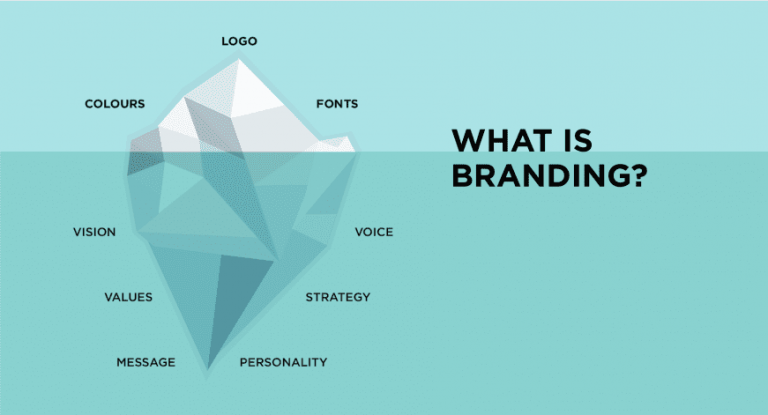
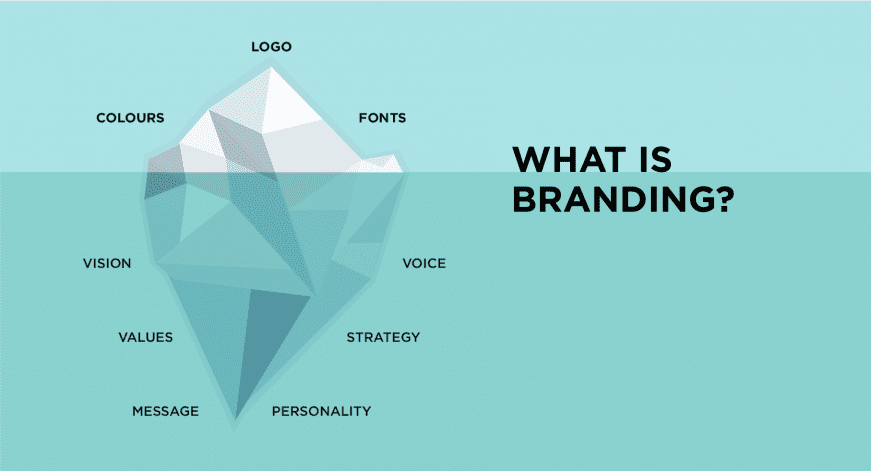
Understanding branding and marketing is crucial for any business, large or small. It’s more than just slapping a logo on a product; it’s about crafting a unique identity and effectively communicating that identity to your target audience. This journey delves into the intricacies of both branding and marketing, revealing how they work together to build lasting customer relationships and drive business growth.

From defining core branding elements to exploring various marketing strategies, this guide offers a deep dive into the world of business promotion. We’ll examine the fundamental principles, highlight successful campaigns, and discuss the evolving role of digital marketing in today’s interconnected landscape. This exploration is designed to equip you with the knowledge needed to navigate the dynamic realm of branding and marketing.

Defining Branding and Marketing

Branding and marketing are crucial for any business aiming to thrive in today’s competitive landscape. They are intertwined strategies that, when implemented effectively, can significantly enhance a company’s reputation, customer loyalty, and ultimately, its profitability. Understanding the nuances of branding and marketing is vital for achieving these goals.A strong brand resonates with customers on an emotional level, fostering trust and loyalty.

Effective marketing strategies translate this brand resonance into tangible actions, driving sales and achieving business objectives.

Defining Branding

Branding is more than just a logo or a tagline. It’s the comprehensive process of creating a unique identity for a product, service, or company. This identity encompasses a set of values, beliefs, and promises that customers associate with the brand. Core elements include a brand’s personality, values, visual identity (logo, colors, typography), and brand voice (tone and style of communication).

A strong brand fosters recognition, trust, and ultimately, loyalty.

Brand Identity vs. Brand Image

Brand identity is the meticulously crafted, controlled representation of a brand. It’s the essence of the brand as defined by the organization. Brand image, conversely, is the perception of the brand held by the public. This perception is influenced by various factors, including customer experiences, marketing efforts, and media coverage. While the brand identity is the intended message, the brand image is the actual message received.

The Relationship Between Branding and Marketing

Branding and marketing work hand-in-hand. Branding lays the foundation, defining the core values and identity of the brand. Marketing then leverages this foundation to connect with target audiences, communicate the brand’s message, and drive sales. Marketing activities, such as advertising and promotions, help translate the brand’s identity into tangible experiences for customers.

Principles of Effective Branding

Effective branding is built on several key principles. These principles are essential for creating a lasting and meaningful connection with the target audience.

  • Consistency: Maintaining a consistent brand message across all platforms and interactions ensures a unified and memorable experience for customers.
  • Authenticity: Brands that are true to themselves and their values resonate more deeply with customers, fostering trust and loyalty.
  • Relevance: A brand’s message and identity should be relevant to the needs and desires of its target audience. This ensures that the brand resonates and is meaningful to customers.
  • Uniqueness: Standing out from the competition requires a unique brand identity. This could involve a distinct personality, a specialized offering, or a compelling brand story.
  • Memorability: A memorable brand is easily recalled and recognized. Strong branding elements such as a memorable logo, tagline, or brand voice contribute to this.

Different Branding Strategies

Various branding strategies cater to different business needs and goals. The choice of strategy often depends on the nature of the business and its target market.

Branding Strategy Description Examples
Corporate Branding Focuses on building a unified brand identity for an entire company and its various products or services. Coca-Cola, Nike
Personal Branding Building a strong personal brand that reflects one’s expertise, skills, and values. Influencers, authors, consultants
Product Branding Focusing on creating a distinct identity for individual products or services within a company’s portfolio. Specific smartphone models, types of cars
Service Branding Creating a strong brand identity for a service-based business, highlighting the experience and value proposition. Hotels, airlines, consulting firms

Understanding Marketing Fundamentals

Marketing is more than just advertising; it’s a multifaceted discipline encompassing strategies for connecting with target audiences and achieving business objectives. Understanding the core principles of marketing is crucial for success in today’s competitive landscape. This section delves into the fundamentals, including the marketing mix, key objectives, research methodologies, and successful campaign examples.Effective marketing hinges on a deep understanding of the target audience and a well-defined strategy.

A thorough understanding of these elements is essential for crafting campaigns that resonate with the intended audience and drive desired outcomes.

Marketing Mix (4Ps or 7Ps)

The marketing mix, often referred to as the 4Ps (Product, Price, Place, Promotion), or the extended 7Ps (adding Process, People, and Physical Evidence), represents a crucial framework for developing and implementing effective marketing strategies. Understanding and managing these elements is fundamental to success.

  • Product: This encompasses the tangible or intangible offering, including features, benefits, design, quality, and brand identity. A successful product strategy considers the customer’s needs and desires, aligning the product with the target market.
  • Price: Pricing strategy determines the value proposition and profitability. Factors considered include production costs, competitor pricing, market demand, and desired profit margins.
  • Place (Distribution): This refers to the channels and methods used to deliver the product to the customer. Effective distribution strategies ensure products reach the right consumers at the right time and place.
  • Promotion: Promotion encompasses all communication efforts to create awareness, generate interest, and drive demand for the product or service. Effective promotion utilizes various channels, such as advertising, public relations, and social media.
  • Process: This aspect considers the operational efficiency and customer experience throughout the entire process, from purchase to delivery and after-sales support.
  • People: This emphasizes the importance of employees and their interaction with customers. Customer-centric approaches and trained personnel are critical to success.
  • Physical Evidence: This includes the tangible aspects of the brand and service, such as the environment, packaging, and communication materials. These aspects create a lasting impression on the customer.

Marketing Objectives and Goals

Clearly defined marketing objectives and goals are essential for measuring success and aligning actions with strategic business plans. These objectives should be specific, measurable, achievable, relevant, and time-bound (SMART).

  • Brand Awareness: Increasing the recognition and recall of the brand among the target audience.
  • Lead Generation: Attracting potential customers and converting them into leads through various channels.
  • Sales Growth: Increasing the volume or value of sales within a specific timeframe.
  • Market Share: Gaining a larger portion of the target market compared to competitors.
  • Customer Acquisition: Attracting new customers and onboarding them into the customer base.
  • Customer Retention: Maintaining existing customers and fostering loyalty.

Market Research Methods

Market research is a crucial element in understanding the target market and informing marketing strategies. Various methods are employed, each with its specific applications.

  • Surveys: Collecting data through structured questionnaires to understand customer opinions, preferences, and behaviors.
  • Focus Groups: Facilitating group discussions to gather in-depth insights into consumer perceptions and attitudes.
  • Interviews: Conducting one-on-one discussions to gain detailed understanding of individual consumer perspectives.
  • A/B Testing: Comparing different versions of marketing materials or strategies to determine the most effective approach.
  • Data Analytics: Analyzing existing data sets to identify trends and patterns related to consumer behavior and market dynamics.

Successful Marketing Campaigns

Numerous successful marketing campaigns have demonstrated innovative strategies and effective execution. Examples showcase the importance of understanding the target audience and crafting compelling messages.

  • Example 1: [Brief description of a successful campaign, e.g., Dove’s “Real Beauty” campaign, highlighting the core message and its impact.]
  • Example 2: [Brief description of another successful campaign, e.g., Nike’s “Just Do It” campaign, outlining its core message and impact.]

Stages of a Typical Marketing Plan

A structured marketing plan Artikels the steps to achieve defined marketing objectives.

Stage Description
Situation Analysis Assessment of the current market, competitive landscape, and internal capabilities.
Target Market Identification Defining the specific customer segments to focus on.
Marketing Objectives and Strategies Setting measurable goals and outlining actions to achieve them.
Implementation and Control Putting the plan into action and tracking progress.
Evaluation and Adjustments Assessing the effectiveness of the plan and making necessary changes.

The Role of Digital Marketing

Digital marketing has revolutionized the way businesses interact with customers and achieve their goals. Its pervasiveness in today’s interconnected world necessitates a robust understanding of its nuances and capabilities. This section delves into the significance of digital marketing, its key channels, and its contrasting features compared to traditional approaches. Furthermore, it will Artikel essential metrics for success and steps for crafting an effective digital marketing strategy.

Importance of Digital Marketing in Today’s World

Digital marketing has become indispensable in the modern business landscape. Its reach extends beyond geographical boundaries, connecting businesses with a global audience. The ability to target specific demographics and tailor messaging to individual preferences allows for enhanced customer engagement and personalized experiences. Real-time data analysis enables businesses to adapt their strategies swiftly to changing market trends and consumer behaviors.

Key Digital Marketing Channels and Platforms

Digital marketing leverages a diverse array of channels and platforms. Social media platforms like Facebook, Instagram, and Twitter offer avenues for direct engagement with customers. Search engines like Google provide opportunities for organic visibility and targeted advertising. Email marketing remains a powerful tool for building relationships and driving conversions. Other crucial channels include online advertising, content marketing, and mobile marketing.

These channels, when strategically implemented, contribute to a holistic and effective digital marketing campaign.

Comparison of Traditional and Digital Marketing

Traditional marketing methods, such as print advertising and television commercials, often have a broader reach but lack the precision and measurability of digital marketing. Digital marketing excels in its ability to track and analyze campaign performance, allowing for rapid adjustments and optimization. Traditional methods, on the other hand, often require substantial upfront investment with limited ability to precisely target specific demographics.

Digital marketing’s ability to personalize experiences and track results provides a significant advantage in the modern market.

Metrics for Measuring Digital Marketing Success

Various metrics are crucial for evaluating the efficacy of digital marketing campaigns. Key Performance Indicators (KPIs) such as website traffic, conversion rates, click-through rates, engagement metrics (likes, shares, comments), and return on investment (ROI) provide a comprehensive understanding of campaign performance. These metrics allow for informed decisions and adjustments to optimize campaigns for maximum impact.

Developing a Comprehensive Digital Marketing Strategy

A successful digital marketing strategy involves several key steps. Firstly, understanding the target audience is paramount. Next, define clear objectives and measurable goals. The development of a content calendar, tailored messaging, and selection of appropriate channels are critical elements. A robust analysis of the competitive landscape is also essential.

Monitoring performance metrics and adapting the strategy based on data analysis are ongoing processes crucial for achieving optimal results.

Pros and Cons of Different Digital Marketing Tactics

Digital Marketing Tactic Pros Cons
Search Engine Optimization () Improved organic search rankings, cost-effective in the long run, builds brand credibility. Results take time to materialize, requires ongoing effort and expertise.
Social Media Marketing Direct engagement with customers, targeted advertising options, increased brand awareness. Requires significant time commitment, potential for negative feedback and brand damage.
Pay-Per-Click (PPC) Advertising Targeted advertising, quick results, measurable ROI. High costs if not managed effectively, requires constant monitoring and optimization.
Email Marketing Direct communication with customers, personalized messaging, cost-effective. Requires building an email list, managing unsubscribes, potential for spam complaints.
Content Marketing Builds brand authority, attracts organic traffic, establishes thought leadership. Time-consuming to create high-quality content, may not immediately generate sales.

This table summarizes the advantages and disadvantages of different digital marketing approaches. Careful consideration of each tactic’s strengths and weaknesses is vital for developing a balanced and effective digital marketing strategy.

Branding in the Digital Age

Branding in the modern era is fundamentally intertwined with the digital landscape. Businesses must adapt their strategies to resonate with audiences online, recognizing that digital interactions significantly shape brand perception. Traditional branding approaches, while valuable, need augmentation with digital strategies for optimal impact and growth in today’s market.

Adapting Branding Strategies to the Digital Environment

Digital platforms necessitate a shift in branding strategies, demanding a more dynamic and interactive approach. Brands must embrace flexibility and responsiveness to evolving consumer preferences and expectations. This requires continuous monitoring of online conversations, trends, and feedback to adapt messaging and campaigns in real-time. Brands need to understand the nuances of their target audience’s digital behavior and tailor their content and interactions accordingly.

Successfully navigating the digital space involves fostering a brand personality that is authentic, engaging, and relatable across various online channels.

Impact of Social Media on Branding

Social media platforms have become powerful tools for brand building and engagement. These platforms allow brands to connect directly with consumers, fostering a sense of community and trust. Authenticity and transparency are crucial on social media; brands that present a genuine persona and actively engage with followers are more likely to cultivate positive brand image and build loyalty.

Effective social media strategies often involve tailored content, interactive campaigns, and responsive customer service.

Customer Experience in the Digital Space

Customer experience (CX) plays a pivotal role in shaping brand perception in the digital environment. A seamless and positive digital experience is essential for fostering customer loyalty and brand advocacy. Brands must strive to create intuitive websites, responsive mobile apps, and efficient online support channels to provide a consistent and high-quality experience. Collecting customer feedback through surveys and reviews is critical to identify areas for improvement and maintain a positive online reputation.

Content Marketing for Brand Awareness

Content marketing is a key element of digital branding. Creating valuable and engaging content attracts potential customers, positions the brand as a thought leader, and enhances brand visibility. This can include blog posts, articles, videos, infographics, and social media updates. The key is to produce content that addresses the needs and interests of the target audience, establishing trust and demonstrating expertise.

Successful content marketing often involves optimization to increase discoverability and organic reach.

Online Reputation Management

Online reputation management (ORM) is vital for brand building in the digital age. Negative reviews and comments can significantly impact brand perception, whereas positive feedback can boost brand trust and loyalty. Brands must actively monitor their online presence, responding to both positive and negative feedback promptly and professionally. Proactive ORM strategies involve addressing concerns, resolving issues, and showcasing positive brand experiences.

Examples of Successful Digital Brands

Numerous brands successfully leverage digital platforms for branding. For instance, companies like Nike and Apple effectively use their websites and social media channels to engage with customers and build a strong brand identity. Their campaigns often feature user-generated content, interactive elements, and a focus on fostering a sense of community around their products. Similarly, companies like Dove and Patagonia demonstrate how authentic messaging and engagement with their values can build strong connections with consumers.

Comparison of Digital Branding Platforms

Platform Strengths Weaknesses
Social Media (Facebook, Instagram, Twitter) Direct customer engagement, highly visible, cost-effective Requires consistent content creation, susceptible to negative feedback, algorithms can impact visibility
Search Engine Optimization () Organic traffic, long-term visibility, cost-effective Requires ongoing optimization, results can take time, highly competitive
Email Marketing Direct communication, targeted campaigns, measurable results Requires building an email list, potentially perceived as intrusive, spam filters can impact deliverability
Paid Advertising (Google Ads, Social Media Ads) Targeted reach, measurable results, quick results Can be expensive, requires careful targeting, not always sustainable

Marketing Strategies for Different Industries

Crafting effective marketing strategies hinges on understanding the nuances of each industry. Different industries face distinct challenges and opportunities, demanding tailored approaches to branding and marketing. This section delves into the specifics of tailoring strategies for diverse sectors, from technology to fashion and food.

Comparing Branding and Marketing Strategies Across Industries

Various industries necessitate unique approaches to branding and marketing. The tech industry, for example, often emphasizes innovation and cutting-edge technology in its messaging. Fashion, on the other hand, prioritizes aesthetics and trends. Food marketing focuses heavily on taste, experience, and often, emotional connections with consumers. These distinct approaches reflect the core values and expectations of customers in each industry.

Unique Challenges and Opportunities in Different Industries

Each industry presents a unique set of challenges and opportunities. The tech industry faces the challenge of rapid innovation, demanding constant adaptation and staying ahead of the curve. The pressure to innovate and maintain a cutting-edge image can be immense. In contrast, the fashion industry must contend with fickle trends and rapid changes in consumer preferences. Successful strategies in this sector rely heavily on understanding and capitalizing on current fashion cycles.

The food industry, meanwhile, faces rigorous regulations and stringent quality standards, demanding meticulous attention to detail in all aspects of production and marketing. However, the opportunities to create emotional connections with consumers through taste and experience are significant.

Examples of Successful Marketing Campaigns in Specific Industries

Numerous successful marketing campaigns have showcased tailored strategies across various industries. Apple, a prominent player in the tech industry, consistently emphasizes the elegance and simplicity of its products through sleek advertising campaigns. Nike, in the sports apparel sector, has effectively built a brand around athleticism and inspiration, using athletes as powerful brand ambassadors. Starbucks, a leader in the coffee industry, fosters a strong brand identity centered around community and experience, creating a unique atmosphere and fostering customer loyalty.

Key Considerations for Targeting Specific Customer Segments in Different Industries

Identifying and targeting the appropriate customer segments is critical for success in any industry. Tech companies often target early adopters and tech enthusiasts. Fashion brands may focus on specific age groups or style preferences. Food companies often cater to diverse dietary needs and preferences, including health-conscious consumers, vegans, and those seeking specific flavors. Understanding these segments allows for tailored messaging and product development.

Marketing Practices for Various Business Models

Business Model Best Marketing Practices
Direct-to-Consumer (DTC) Building a strong online presence, direct engagement with customers through social media and email marketing, personalized recommendations, and leveraging data analytics for customer insights.
Retail Creating engaging in-store experiences, implementing loyalty programs, leveraging visual merchandising, and targeted advertising campaigns focusing on local areas.
B2B (Business-to-Business) Content marketing focused on industry-specific issues, establishing thought leadership, building relationships through networking events and trade shows, and emphasizing value propositions tailored to business needs.

Measuring Success and ROI

Assessing the effectiveness of marketing efforts is crucial for optimizing strategies and maximizing return on investment (ROI). Tracking key metrics allows businesses to understand what resonates with their target audience and adjust campaigns for better results. This involves more than just counting likes or impressions; it requires a deep dive into the data to identify meaningful trends and patterns.Understanding the methods for measuring marketing effectiveness empowers businesses to refine their approach, ensuring that marketing initiatives deliver a substantial return on investment.

A data-driven approach to marketing enables companies to make informed decisions, ultimately leading to greater profitability.

Methods for Tracking Marketing Effectiveness

Various methods are available for tracking and measuring the effectiveness of marketing campaigns. These range from simple website analytics to complex attribution modeling. Effective tracking allows businesses to pinpoint the impact of different marketing activities and allocate resources accordingly.

  • Website analytics tools (e.g., Google Analytics) provide valuable insights into website traffic, user behavior, and conversion rates. These tools track key metrics like page views, bounce rate, time on site, and conversion rates, enabling businesses to identify areas for improvement and optimize their website for better performance.
  • Social media analytics tools offer insights into social media engagement, reach, and audience demographics. They allow businesses to monitor how their content performs on different platforms and adjust their strategy accordingly. This includes tracking metrics such as likes, shares, comments, followers, and engagement rates.
  • Sales data provides direct evidence of the impact of marketing efforts on revenue generation. Analyzing sales figures across different time periods, alongside marketing campaign data, helps to establish clear correlations between marketing activities and revenue growth. This is a crucial method for measuring the impact of marketing initiatives on overall sales.

Importance of Key Performance Indicators (KPIs)

Key Performance Indicators (KPIs) are quantifiable metrics used to track progress toward specific marketing goals. They provide a framework for assessing the success of campaigns and identifying areas for improvement. Effective KPI selection is essential for accurately evaluating marketing performance.

  • Conversion rates are a key metric reflecting the percentage of visitors who complete a desired action (e.g., making a purchase, signing up for a newsletter). High conversion rates indicate successful marketing efforts, while low rates highlight areas requiring optimization.
  • Customer acquisition cost (CAC) represents the average cost of acquiring a new customer. This metric helps businesses evaluate the efficiency of their marketing strategies and identify cost-effective channels for customer acquisition. Low CAC is a desirable outcome.
  • Customer lifetime value (CLTV) estimates the total revenue a customer is expected to generate throughout their relationship with a business. High CLTV indicates that marketing efforts are effectively attracting and retaining valuable customers.

Examples of Metrics for Measuring ROI

Various metrics can be used to measure the ROI of different marketing activities. These metrics provide a clear picture of the return on investment for each marketing initiative.

  • For social media campaigns, metrics like engagement rate, reach, and website traffic driven by social media posts can be used to evaluate ROI. Analyzing the correlation between social media activity and website conversions is critical for measuring success.
  • For email marketing, open rates, click-through rates, and conversion rates from email campaigns can be used to measure ROI. The number of leads generated and their subsequent conversion into customers is an important metric.
  • For search engine marketing (SEM), cost-per-click (CPC), click-through rate (CTR), and conversion rate from paid search ads are essential metrics. A high conversion rate and low CPC indicate a successful SEM campaign.

Data Analysis in Marketing Strategy Optimization

Data analysis is critical for optimizing marketing strategies. By analyzing data from various sources, businesses can identify trends, patterns, and insights that inform decision-making and improve campaign effectiveness.

  • Data analysis helps to identify the most effective marketing channels and campaigns, allowing businesses to allocate resources more strategically. Analyzing the performance of different channels and campaigns reveals which ones deliver the highest ROI.
  • Analyzing customer data helps to understand customer behavior, preferences, and needs. This information allows businesses to personalize marketing messages and tailor their offerings to specific customer segments.
  • By continuously analyzing marketing data, businesses can identify trends and adapt their strategies accordingly. This iterative approach enables businesses to stay ahead of the curve and optimize their marketing campaigns for maximum impact.

Calculating ROI for Various Marketing Campaigns

A table illustrating how to calculate ROI for different marketing campaigns is provided below.

Marketing Campaign Formula Example Calculation
Social Media Campaign ((Total Revenue – Total Costs) / Total Costs) – 100 ((€10,000 – €2,000) / €2,000) – 100 = 400%
Email Marketing Campaign ((Total Revenue – Total Costs) / Total Costs) – 100 ((€5,000 – €1,000) / €1,000) – 100 = 400%
Search Engine Marketing (SEM) Campaign ((Total Revenue – Total Costs) / Total Costs) – 100 ((€8,000 – €1,500) / €1,500) – 100 = 433%

Conclusive Thoughts

What is Branding? Understanding its Importance in 2023

In conclusion, successful branding and marketing strategies are built on a strong foundation of understanding your target audience, crafting a compelling brand identity, and utilizing effective marketing channels. This guide has provided a comprehensive overview of the essential elements involved, from the initial brand definition to the critical measurement of return on investment. By applying these principles, businesses can establish a powerful presence in the market, build lasting customer relationships, and ultimately achieve sustainable growth.

FAQs

What’s the difference between brand identity and brand image?

Brand identity is the controlled, planned representation of a brand—the logo, colors, fonts, and overall visual style. Brand image is the perception of the brand held by the public, often influenced by external factors like media coverage and customer experiences.

How do I choose the right marketing objectives?

Effective marketing objectives should be SMART: Specific, Measurable, Achievable, Relevant, and Time-bound. Consider your business goals, target audience, and available resources when setting objectives.

What are some common mistakes in digital marketing?

Ignoring mobile optimization, failing to track key metrics, poor content quality, not adapting to evolving algorithms, and lacking a consistent brand voice across platforms are common digital marketing pitfalls.

How can I measure the ROI of a marketing campaign?

Tracking key performance indicators (KPIs) like website traffic, conversion rates, lead generation, and sales figures, alongside cost analysis, helps determine the return on investment of a marketing campaign.

Web design marketing is more than just pretty visuals; it’s a strategic approach to driving business growth through an engaging online presence. From crafting compelling websites to optimizing for search engines, this comprehensive guide explores the intricate relationship between design, marketing, and the digital world. It dives deep into core elements, effective strategies, and crucial digital marketing considerations.

This guide delves into the world of web design marketing, offering actionable insights and strategies for businesses looking to maximize their online impact. It examines the evolving landscape of digital marketing and explores how to adapt to future trends.

Introduction to Web Design Marketing

Web design marketing is a multifaceted approach that combines strategic website development with targeted marketing techniques to achieve specific business goals. It goes beyond simply creating a visually appealing website; it involves understanding the needs of the target audience and aligning the website’s design and functionality to meet those needs effectively. This ensures that the website not only looks good but also drives conversions and strengthens the business’s online presence.The relationship between web design and marketing is intrinsically linked.

A well-designed website acts as a powerful marketing tool, enabling businesses to showcase their products or services, communicate their brand values, and connect with potential customers. Conversely, effective marketing strategies can drive traffic to a website, ultimately leading to higher engagement and improved conversion rates. A strong online presence is paramount for businesses in today’s digital age. It allows them to reach a wider audience, build brand recognition, and establish credibility in the marketplace.

Without a strong online presence, businesses risk being overshadowed by competitors and missing out on valuable opportunities.

Defining Web Design Marketing Goals

Web design marketing strategies aim to achieve a variety of objectives, ranging from increasing brand awareness to driving sales and boosting customer engagement. These goals often include enhancing website traffic, improving conversion rates, increasing customer retention, and establishing a strong online presence. Strategies are tailored to align with specific business needs and target audiences.

Different Web Design Marketing Approaches

Effective web design marketing strategies employ a variety of approaches to achieve desired outcomes. These approaches typically focus on specific marketing channels, each with its own strengths and weaknesses. Different approaches complement each other, and a successful strategy usually involves a combination of various methods.

Marketing Approach Description Strengths Weaknesses
Content Marketing Creating and sharing valuable, relevant content to attract and engage a target audience, with the ultimate goal of driving profitable customer action. Builds brand authority, attracts organic traffic, fosters customer engagement, and improves . Requires consistent effort and time to see results, and may not yield immediate ROI.
Search Engine Optimization () Optimizing a website to rank higher in search engine results pages (SERPs) to attract organic traffic. Drives highly qualified traffic, improves brand visibility, and offers a long-term strategy for growth. Requires ongoing effort and adaptation to algorithm changes, and can be challenging to measure results directly.
Social Media Marketing Leveraging social media platforms to connect with potential and existing customers, build brand awareness, and drive traffic to the website. Enables direct interaction with the audience, allows for targeted advertising, and offers real-time engagement opportunities. Requires consistent posting and engagement, can be challenging to measure ROI precisely, and relies heavily on platform algorithms.

Core Elements of Effective Web Design Marketing

A successful web design marketing campaign hinges on a blend of technical proficiency and user-centric design. Understanding the core elements that drive engagement, conversion, and ultimately, business growth is paramount. This section will delve into crucial aspects such as user experience, visual design, calls to action, and conversion rate factors.Effective web design marketing campaigns are not just about aesthetics; they are about creating a seamless and engaging experience for the user, ultimately leading to desired actions.

This involves a deep understanding of user behavior and the psychology behind website interactions.

User Experience (UX) Impact on Marketing

User experience plays a critical role in shaping a website’s effectiveness. A positive UX fosters trust, encourages exploration, and ultimately leads to higher conversion rates. A well-designed UX is intuitive, easy to navigate, and provides a frictionless path to achieving user goals. Poor UX, on the other hand, can lead to frustration, abandonment, and ultimately, lost business opportunities.

Visual Design for Customer Attraction and Retention

Visual design significantly influences a user’s perception of a website. Attractive and consistent visual elements, such as color palettes, typography, and imagery, create a strong brand identity and reinforce a positive first impression. A visually appealing website immediately communicates professionalism and value, fostering trust and encouraging users to explore further.

Importance of Clear Calls to Action (CTAs)

Clear and compelling calls to action are essential for guiding users towards desired actions. Effective CTAs are strategically placed, visually distinct, and use concise, action-oriented language. This clarity ensures users understand the next step, and the design encourages them to take it. A well-crafted CTA can significantly impact conversion rates by providing clear direction and making the next step easy to follow.

Factors Influencing Conversion Rates

Several factors contribute to conversion rates in web design marketing. These include, but are not limited to:

  • Website Load Speed: Slow-loading websites negatively impact user experience and can result in high bounce rates. Fast-loading websites keep users engaged and increase the likelihood of conversions.
  • Mobile Responsiveness: With a significant portion of web traffic originating from mobile devices, ensuring a seamless experience across all platforms is crucial. A responsive design ensures a consistent user experience regardless of the device used.
  • Content Quality: High-quality, informative, and engaging content is paramount for establishing credibility and trust. Content should be tailored to address user needs and provide valuable insights.
  • Trust Signals: Building trust is essential. Features such as secure payment gateways, customer testimonials, and security badges help users feel confident in interacting with the website.
  • Accessibility: Designing for accessibility ensures that the website is usable by everyone, regardless of their abilities. This can increase the potential audience reach.

Landing Page Element Table

This table Artikels the essential elements of a compelling website landing page.

Element Description Importance
Headline A clear and concise statement that immediately communicates the page’s purpose. Grabs attention and establishes the offer’s value.
Value Proposition A brief explanation of the benefits the user receives. Conveys the value and motivates action.
Supporting Content Detailed information supporting the value proposition. Provides credibility and further explains the offer.
Call to Action (CTA) A clear instruction on the desired action (e.g., “Sign up now”). Directs users towards conversion.
Visuals Images or videos that illustrate the value proposition. Enhances engagement and provides visual appeal.
Form (if applicable) A concise form to collect user information. Facilitates lead generation.

Strategies for Effective Web Design Marketing

A successful web design marketing strategy goes beyond simply creating a visually appealing website. It requires a multifaceted approach that integrates various online channels to drive traffic, generate leads, and ultimately, achieve business goals. This section will explore key strategies for optimizing your web design for search engines, utilizing content marketing, integrating social media, engaging mobile users, leveraging email marketing, and comparing different email approaches.Effective web design marketing is crucial for establishing a strong online presence.

By implementing a comprehensive strategy, businesses can increase brand visibility, attract potential customers, and ultimately drive sales.

Optimizing Web Design for Search Engines

Search engine optimization () is vital for driving organic traffic to your website. A well-structured website, with optimized content and relevant s, improves its ranking in search engine results pages (SERPs). This leads to increased visibility and ultimately, more potential customers finding your services. Implementing best practices, including research, on-page optimization, and link building, is paramount to success.

Using Content Marketing to Enhance Web Design

Content marketing plays a significant role in enhancing your web design marketing strategy. High-quality, informative content, such as blog posts, articles, and case studies, establishes expertise and builds trust with potential clients. This content should be aligned with your target audience’s needs and interests, showcasing your web design skills and thought leadership.

Social Media Marketing Integration with Web Design

Integrating social media marketing with web design allows for increased brand visibility and engagement. Creating engaging content across platforms, including visuals, videos, and interactive posts, helps build a strong online presence and fosters interaction with potential clients. Utilizing social media platforms strategically, understanding audience preferences, and creating content relevant to their interests are key components of this integration.

Creating Engaging Web Design Experiences for Mobile Users

The increasing use of mobile devices necessitates a responsive web design. A mobile-friendly website ensures seamless navigation and optimal viewing experience across various screen sizes. This is critical for maintaining user engagement and conversion rates. Utilizing mobile-first design principles, and ensuring fast loading speeds, is essential for attracting and retaining mobile users.

Leveraging Email Marketing for Promoting Web Design Services

Email marketing is a powerful tool for promoting web design services. By building an email list and sending targeted messages, you can nurture leads, share valuable content, and ultimately drive conversions. This direct communication channel allows for personalized interactions, building relationships with potential clients.

Comparing and Contrasting Different Email Marketing Approaches

Different email marketing approaches cater to various marketing objectives and target audiences. Transactional emails, triggered by specific actions, such as order confirmations, are crucial for customer service and completion of transactions. Promotional emails, on the other hand, promote specific offers and services, encouraging engagement and driving sales. Marketing automation tools can streamline email campaigns, allowing for personalized and targeted messages based on user behavior and preferences.

Digital Marketing Considerations

Web design marketing is inextricably linked to digital marketing. A strong online presence is built not only on visually appealing design but also on strategies that drive traffic and engagement. This section delves into the crucial intersection of these disciplines, exploring the role of digital marketing in enhancing the reach and visibility of web design marketing campaigns.Effective web design marketing requires a comprehensive understanding of digital marketing principles.

These principles encompass a range of tactics and tools that can significantly boost online visibility and engagement. This understanding is vital for achieving optimal results from any web design campaign.

Overlap Between Web Design Marketing and Digital Marketing

Web design marketing and digital marketing share a common goal: driving traffic, generating leads, and achieving conversions. They both leverage digital channels to promote products or services. The key difference lies in their focus. Web design marketing emphasizes the visual appeal and user experience of a website, while digital marketing encompasses a broader range of strategies to reach potential customers across multiple platforms.

Effective web design marketing incorporates these strategies to maximize the impact of the website.

Role of Digital Marketing in Expanding Reach and Visibility

Digital marketing plays a critical role in amplifying the reach and visibility of web design marketing efforts. Strategies like search engine optimization (), social media marketing, and paid advertising can drive significant traffic to a website, enhancing its visibility to a broader audience. This expanded reach translates into more potential customers and opportunities for engagement.

Use of Analytics to Track Web Design Marketing Campaign Performance

Analytics tools are essential for monitoring the performance of web design marketing campaigns. These tools provide insights into key metrics such as website traffic, user engagement, conversion rates, and customer behavior. This data is invaluable for identifying what’s working, what’s not, and adjusting strategies for optimal results. Data-driven decisions are crucial for long-term success.

Overview of Various Digital Marketing Tools

A wide array of digital marketing tools are available to support web design marketing campaigns. These tools range from tools for research and rank tracking to social media management platforms for scheduling posts and engaging with audiences. Marketing automation tools can streamline repetitive tasks, while email marketing tools allow for targeted communication with potential and existing customers.

Summary of Different Digital Marketing Campaigns

Campaign Type Description Example
Search Engine Optimization () Improving website visibility in search engine results pages (SERPs). Optimizing website content, meta descriptions, and image alt text for relevant s.
Social Media Marketing Promoting products or services through social media platforms. Creating engaging content, running contests, and interacting with followers on platforms like Facebook, Instagram, and Twitter.
Pay-Per-Click (PPC) Advertising Driving traffic to a website through paid advertising campaigns on search engines or social media platforms. Running targeted ads on Google Ads or social media platforms.
Email Marketing Building relationships with customers and prospects through targeted email campaigns. Sending newsletters, promotional offers, and transactional emails.

Methods to Track and Measure Digital Marketing Campaign Success

Monitoring the success of digital marketing campaigns requires a multifaceted approach. Key performance indicators (KPIs) like website traffic, bounce rate, conversion rates, and customer acquisition cost (CAC) provide critical insights. Tools like Google Analytics offer comprehensive data on website performance and user behavior. Regular analysis of these metrics allows for informed decisions to refine strategies and maximize ROI.

A/B testing different elements of campaigns also allows for continuous improvement and optimization.

Case Studies and Examples

Download Minimalistic Design - The Perfect Balance | Wallpapers.com

Real-world examples of successful web design marketing campaigns demonstrate effective strategies and the positive outcomes they produce. Analyzing these case studies provides valuable insights into how businesses have successfully leveraged web design marketing to achieve their objectives. Understanding the specific strategies and the results they generated allows for the application of these principles to new campaigns.

Successful Web Design Marketing Campaigns

Several businesses have achieved significant success through well-executed web design marketing campaigns. These campaigns showcase the potential for increased brand visibility, lead generation, and ultimately, higher sales figures. Analyzing these campaigns provides a framework for understanding what works and how to adapt successful strategies to various business models.

  • Example 1: E-commerce Clothing Brand. A clothing brand launched a new website featuring high-quality product photography, detailed product descriptions, and a user-friendly checkout process. The website was also optimized for mobile devices. This resulted in a 30% increase in online sales within the first quarter. The improved user experience and enhanced visual appeal contributed to a more positive customer experience, driving higher conversion rates.

  • Example 2: Professional Services Firm. A law firm redesigned its website to incorporate a blog section showcasing their expertise in various legal areas. This strategy increased organic traffic by 45% and generated a significant number of qualified leads. The blog posts addressed common legal issues, positioning the firm as a thought leader in the field.
  • Example 3: Local Restaurant. A local restaurant implemented a visually appealing website with detailed menus, online ordering, and customer reviews. This initiative resulted in a 20% increase in online orders and a significant improvement in customer feedback. The convenient ordering process and clear communication via the website were crucial to the restaurant’s success.

Comparative Analysis of Successful Campaigns

A comparative analysis of these campaigns highlights key similarities and differences in their approaches.

Campaign Strategies Employed Results Achieved
E-commerce Clothing Brand High-quality product photography, detailed descriptions, mobile optimization 30% increase in online sales
Professional Services Firm Blog section showcasing expertise, optimization 45% increase in organic traffic, significant lead generation
Local Restaurant Visually appealing website, online ordering, customer reviews 20% increase in online orders, improved customer feedback

Hypothetical Case Study: Startup Fitness App

A hypothetical fitness app startup could benefit from a web design marketing campaign focused on user engagement and social proof. The app could showcase testimonials from satisfied users and highlight key features with visually appealing graphics. Targeted social media marketing campaigns could generate brand awareness and encourage app downloads.

Adapting Strategies to Target Audiences

Understanding the target audience is crucial for tailoring web design marketing strategies. Different demographics respond to different approaches. A fitness app aimed at young adults might use a more vibrant and modern design, while an app for senior citizens might benefit from a more straightforward and intuitive interface. Careful consideration of the audience’s needs and preferences ensures that the marketing efforts are effective and resonate with the intended users.

Future Trends in Web Design Marketing

Web design marketing is constantly evolving, adapting to technological advancements and shifting consumer behaviors. This dynamic landscape necessitates a forward-thinking approach to stay ahead of the curve and maintain a competitive edge. Understanding the emerging trends and their potential impact is crucial for successful strategies in the future.Emerging technologies are rapidly transforming how businesses interact with customers online.

This involves a shift towards more personalized, AI-powered experiences, demanding a sophisticated understanding of user behavior and preferences. Consequently, successful web design marketers will need to leverage these tools to provide relevant and engaging experiences for their target audiences.

Emerging Trends in Web Design Marketing

The web design marketing landscape is being reshaped by a confluence of factors. These include a growing emphasis on personalization, the increasing influence of artificial intelligence, and the rising importance of voice search optimization. Understanding these trends and their implications is vital for navigating the future of online marketing.

  • Personalization: Tailoring content and experiences to individual user preferences is becoming increasingly important. Data analysis and machine learning algorithms are crucial for understanding user behavior and delivering targeted content. Successful implementations leverage user data to deliver hyper-relevant experiences, increasing engagement and conversion rates. For example, Netflix uses viewing history to recommend movies and shows, creating a highly personalized user experience.

  • Artificial Intelligence (AI): AI is transforming web design marketing through automation, predictive analytics, and improved customer service. AI-powered chatbots can handle routine customer inquiries, freeing up human agents for more complex issues. Predictive analytics enables marketers to forecast customer behavior and optimize campaigns for maximum impact.
  • Voice Search Optimization: As voice assistants become more prevalent, optimizing websites for voice search is critical. This involves understanding how users phrase their queries and adapting content to match conversational search patterns. Focus on long-tail s and conversational language is key to success.
  • Emerging Technologies: Augmented reality (AR) and virtual reality (VR) are transforming how businesses engage with their customers. AR filters on social media, for example, allow users to virtually try on products before purchasing, enhancing the online shopping experience. VR experiences can transport customers to new locations, creating immersive and engaging marketing campaigns.

Impact of AI on Web Design Marketing

Artificial intelligence is significantly impacting web design marketing by automating tasks, improving personalization, and enhancing customer service. This automation allows marketers to allocate resources more effectively and concentrate on high-impact activities. AI’s ability to analyze vast amounts of data provides a deeper understanding of user behavior, allowing for highly targeted marketing campaigns.

  • Automation of Tasks: AI-powered tools can automate repetitive tasks, such as content scheduling, social media posting, and email marketing. This frees up marketers to focus on more strategic tasks, improving efficiency and productivity.
  • Enhanced Personalization: AI algorithms analyze user data to understand individual preferences and tailor content accordingly. This leads to a more engaging user experience, increasing customer satisfaction and driving conversions.
  • Improved Customer Service: AI-powered chatbots can handle routine customer inquiries, providing instant support and resolving issues efficiently. This reduces wait times and improves overall customer satisfaction.

Role of Personalization in Future Web Design Marketing

Personalization is becoming a cornerstone of effective web design marketing. Tailoring content, products, and services to individual user preferences creates a more engaging and relevant experience, increasing customer satisfaction and loyalty. Effective personalization leverages data to understand user behavior and preferences, creating targeted content and offers that resonate with individual needs.

  • Improved User Experience: Personalized content and recommendations make the user experience more engaging and relevant. This leads to increased user satisfaction and higher conversion rates.
  • Enhanced Customer Relationships: Personalized interactions build stronger relationships with customers. This creates a sense of trust and loyalty, increasing the likelihood of repeat purchases and referrals.

Significance of Voice Search Optimization

Voice search is rapidly gaining traction, impacting how users interact with online content. Optimizing websites for voice search involves understanding the conversational nature of voice queries and adapting content to match those patterns. This means focusing on long-tail s and natural language, creating content that directly addresses user questions.

  • Increased User Engagement: Voice search queries are often longer and more conversational, creating opportunities to provide comprehensive and helpful answers.
  • Enhanced User Experience: Providing quick and accurate responses to voice queries improves user experience, leading to increased engagement and conversions.

Impact of Emerging Technologies on Web Design Marketing

Emerging technologies, such as AR and VR, are transforming how businesses engage with their customers. Integrating these technologies into web design marketing can create immersive and engaging experiences, driving brand awareness and conversions. These technologies offer new avenues for personalized interaction, ultimately strengthening customer relationships.

  • Enhanced Customer Engagement: Immersive experiences create a stronger connection with customers, driving brand awareness and loyalty.
  • Improved Customer Experience: VR and AR provide new ways to interact with products and services, enhancing the customer experience and increasing engagement.

Summary Table: Impact of Future Trends

Trend Impact on Web Design Marketing
Personalization Improved user experience, enhanced customer relationships, increased conversion rates.
AI Automation of tasks, enhanced personalization, improved customer service.
Voice Search Optimization Increased user engagement, enhanced user experience, better content targeting.
Emerging Technologies (AR/VR) Enhanced customer engagement, improved customer experience, creation of immersive brand experiences.

Closing Summary

In conclusion, successful web design marketing hinges on a holistic approach that considers design aesthetics, user experience, strategic marketing efforts, and adaptation to evolving digital trends. By understanding the interplay of these elements, businesses can cultivate a strong online presence, attract customers, and drive conversions. This guide has provided a framework for achieving those goals.

FAQ Corner

What are some common mistakes in web design marketing?

Ignoring user experience (UX), neglecting mobile optimization, lacking clear calls to action (CTAs), and not tracking campaign performance are common pitfalls. Poor website navigation and slow loading times can also significantly impact user experience.

How does AI impact web design marketing?

AI is changing how we approach personalization, content creation, and user experience. AI-powered tools can analyze user data to create more targeted marketing campaigns and optimize website design for better conversion rates. It can also automate tasks like content creation and social media scheduling.

What is the difference between and content marketing?

focuses on optimizing websites for search engines, while content marketing focuses on creating valuable, engaging content to attract and retain customers. While distinct, they work together. High-quality content can significantly improve rankings, and can improve the discoverability of content.