April 17, 2026

branding

Branding iron letter j serves as a fascinating entry point into the world of personalized branding, allowing individuals and businesses alike to make a unique mark on their products. This distinctive letter not only represents a specific identity but also embodies a rich history and cultural significance in the branding process.

From its basic definition to the intricate crafting processes involved, this guide explores everything you need to know about creating and using a branding iron featuring the letter ‘j.’ Whether you’re an artisan looking to personalize your creations or a business seeking to enhance brand identity, understanding the artistry behind branding irons is essential.

Branding Iron Basics

Branding irons are tools used primarily for marking livestock and other items with a unique identifier, which is often a symbol, logo, or letter. The purpose of branding is not only to establish ownership but also to promote brand recognition. The branding process serves as a means of differentiating products in a competitive market, ensuring that the brand stands out to consumers.The materials used in creating branding irons are essential for their effectiveness and durability.

Common materials include steel, brass, and copper, which provide the necessary resilience to withstand the high temperatures required for branding. Each material has unique properties; for instance, steel is often favored for its strength and ability to retain heat, while brass may be chosen for its resistance to corrosion. The choice of material can impact the quality of the brand mark, ensuring that it is clear and lasting.

Significance of the Letter ‘j’

The letter ‘j’ holds particular significance in various branding contexts. It can represent brand names, initials, or even specific product lines. The choice to use ‘j’ as a branding element can evoke certain associations or meanings that resonate with target audiences. The design of the letter ‘j’ can vary significantly, influencing its impact on branding. When creating a branding iron with the letter ‘j’, factors such as font style, size, and embellishments come into play.

Each design choice contributes to the brand’s overall image. For example, a more stylized ‘j’ might convey a modern and trendy brand, while a traditional serif ‘j’ can reflect a classic, sophisticated image.

“The effectiveness of branding lies in its ability to communicate identity and values succinctly.”

The visual representation of the letter ‘j’ can also affect consumer perception. Certain styles may evoke feelings of trust and reliability, while others might suggest creativity and innovation. Brands often conduct market research to determine which representations resonate best with their target demographics. As a result, the letter ‘j’ can become a powerful symbol within a brand’s identity, offering a strong visual cue that fosters recognition and loyalty.

The Process of Crafting a Branding Iron with the Letter J

Creating a distinct branding iron with the letter ‘J’ involves a well-defined process that combines creativity and technical skill. This branding iron serves not only as a mark of ownership but also as a form of identity for artisans, cattle ranchers, and businesses seeking to leave an impression. The process is both an art and a science, culminating in a tool that can stand the test of time.Crafting a branding iron requires careful planning and precise execution.

Initially, the design is conceptualized, keeping in mind the desired style, size, and thickness of the letter ‘J’. The next steps involve selecting appropriate materials, typically high-quality metal, and employing various metalworking techniques to create the final product. The durability of the branding iron is crucial, as it must withstand high temperatures and repeated use without losing its shape or effectiveness.

Designing the Branding Iron

The design phase is critical to ensure the branding iron represents the intended style and functionality. Designers often sketch the letter ‘J’ in multiple styles, considering factors such as font, size, and flair. Once a design is finalized, it is usually transferred to a piece of metal.

Sketching

Drawing initial designs on paper, experimenting with styles.

Digital Rendering

Using design software to create a precise digital version of the branding iron.

Template Creation

Producing a template based on the finalized design to guide the metalwork.

Metalworking Techniques Used

Using appropriate metalworking techniques ensures the branding iron is durable and effective. The process typically includes the following methods:

Forging

Shaping the metal through hammering, which improves the iron’s structure and makes it resilient.

Casting

Pouring molten metal into a mold based on the design, allowing for intricate details and variations.

Machining

Utilizing tools to cut and shape metal precisely, ensuring clean lines and accurate dimensions.

Essential Tools for Crafting a Branding Iron

To create a branding iron, a variety of tools are necessary to handle the different aspects of design and metalwork. Each tool plays a specific role in ensuring the final product meets quality standards.The following list highlights the key tools required for this process:

Metal Sheets

The primary material for crafting the branding iron, usually made from steel or brass.

Hammers

Used for forging and shaping the metal during the initial stages.

Anvil

A sturdy surface on which metal can be hammered and shaped.

Molds

If casting, molds that reflect the design of the letter ‘J’ are essential.

Welding Equipment

For joining different components of the branding iron if necessary.

Grinders

Used to smooth out rough edges and refine the design.

Heat Source

A forge or torch to heat the metal to the necessary temperature for shaping.

“The quality of the branding iron relies heavily on both the design and the craftsmanship involved in its creation.”

Applications of Branding Irons

Branding irons have been a staple in various industries, serving both functional and aesthetic purposes. The letter ‘J’ branding iron, in particular, finds its way into diverse applications, providing a unique method for marking and personalizing items. This versatility allows businesses and individuals to express their identity while enhancing product recognition.The industries utilizing branding irons with the letter ‘J’ range from agriculture to crafts.

These tools are not only vital for ensuring ownership and authenticity but also for creating a lasting impression on customers. Below are some prominent fields and examples of products that can be marked with a branding iron.

Industries Utilizing the Letter ‘J’ Branding Irons

Branding irons are employed in several sectors, including but not limited to:

  • Food Industry: Chefs and restaurants often use branding irons to mark grilled meats or baked goods with their logo or initials, adding a personal touch and enhancing brand visibility.
  • Craftsmanship: Artisans in woodworking, leather crafting, and metalworking use branding irons to imprint the letter ‘J’ on their creations, signifying the maker’s identity and craftsmanship.
  • Agriculture: Farmers apply branding irons to livestock for identification purposes, ensuring that their animals are easily recognizable and traceable.
  • Promotional Products: Companies often brand promotional items such as tote bags, wooden utensils, or keychains with the letter ‘J’, making them memorable gifts that reinforce brand loyalty.

Examples of Products Marked with Branding Irons

The range of products that can be marked with a branding iron is extensive. Each marked item can serve a specific purpose or enhance its appeal. Here are some examples:

  • Leather Goods: Wallets, belts, and bags can be personalized with the letter ‘J’, adding a unique touch to these everyday items.
  • Wooden Furniture: Tables, chairs, and handcrafted items can feature the branding iron, elevating their status as bespoke pieces.
  • Gifts and Keepsakes: Items like picture frames and plaques gain sentimental value when marked with a personal touch.

The Role of Branding Irons in Personalizing Items

Branding irons play a significant role in the personalization of various products, allowing individuals and businesses to showcase their identity. Personalization not only enhances the aesthetic appeal of items but also fosters emotional connections with customers. The impact of branding through personalization can be profound. It serves as a statement of quality and authenticity, often leading to increased customer loyalty.

By imprinting the letter ‘J’, a trademark or personal mark, on products, owners convey a sense of pride and ownership.

“Branding is not just about a logo; it’s about creating an experience that connects with your audience.”

In essence, the applications of branding irons, particularly those featuring the letter ‘J’, are vast and varied, making them an essential tool across numerous industries while offering a means for personalization that resonates with consumers.

Customization Options for Branding Irons

When it comes to branding irons, customization is key to making your product stand out. The letter ‘j’ can be crafted in various styles and sizes, which allows you to create a unique branding tool that reflects your brand identity. The options available not only enhance the aesthetic appeal but also ensure that the branding iron serves its intended purpose effectively.Selecting the right style, font, size, and shape for your branding iron is crucial for achieving the best results.

The letter ‘j’ can be designed in several ways, from elegant cursive to bold block letters. Additionally, the dimensions of the branding iron can vary depending on the type of material you are branding and the level of detail you want to convey.

Styles and Fonts for the Letter ‘j’

Various styles and fonts can make your branding iron uniquely yours. Understanding the available options helps you choose the perfect look for your brand. Here’s an overview of common styles and fonts for the letter ‘j’:

  • Cursive: This style adds a touch of elegance, perfect for brands aiming for a sophisticated look.
  • Block Letters: Bold and easily readable, block letters work well for industrial applications.
  • Serif Fonts: Combining tradition with clarity, serif fonts can convey a classic feel.
  • Custom Designs: For those looking for something truly unique, custom fonts can be created to fit specific branding needs.

Choosing the Right Size and Shape

The size and shape of your branding iron will significantly impact its performance. Here are some points to consider when deciding on the dimensions:

  • Material Thickness: Ensure the branding iron size matches the thickness of the material being branded.
  • Detail Level: For intricate designs, a smaller branding iron may be necessary to maintain clarity.
  • Usage Context: Consider where and how the branding iron will be used; larger irons may be impractical for small items.

Comparison of Customization Services

Different customization services offer varying options for branding irons. Understanding these services can help you find the best fit for your needs. The following table compares some common customization features across several brands:

Service Provider Font Options Size Customization Design Complexity
Brand A Standard & Custom Yes Simple Designs Only
Brand B Limited Standard Yes Complex Designs Accepted
Brand C Extensive Custom Options Yes All Design Types
Brand D Basic Fonts No Simple Designs Only

Choosing the right customization options for your branding iron can significantly enhance brand recognition and impact.

Safety and Maintenance of Branding Irons

When working with branding irons, safety and maintenance are crucial to ensure both the longevity of your tools and the well-being of the user. Branding irons can reach high temperatures, which can pose risks if not handled properly. Additionally, regular upkeep can prevent premature wear and keep your branding tools in optimal condition for years to come.

Safety Precautions When Using Branding Irons

Using branding irons safely involves understanding the potential hazards and taking proactive steps to mitigate them. Here are essential safety precautions to follow:

  • Always wear heat-resistant gloves to protect your hands from burns when handling hot branding irons.
  • Utilize long-handled tongs or tools to keep your hands away from the heat source while branding.
  • Ensure your branding surface is stable and won’t shift during the branding process to prevent accidents.
  • Keep a fire extinguisher within reach when working with hot objects, especially in environments where flammable materials are present.
  • Never leave a branding iron unattended while it is hot to prevent accidental contact.
  • Use branding irons in well-ventilated areas to avoid inhaling fumes, especially when branding certain materials.

Maintenance Tips for Branding Irons

Proper maintenance of branding irons is essential to extend their lifespan and ensure effective branding. Regular care can prevent rust, wear, and malfunction. Consider these maintenance tips:

  • Clean the branding iron after each use with a damp cloth to remove residue and prevent buildup that can affect heat transfer.
  • Store the branding iron in a dry place to prevent rusting, especially if it is made of metal.
  • Inspect the branding iron regularly for any signs of wear or damage, such as cracks or bending.
  • Oil the handle periodically to keep it smooth and prevent splintering, which can occur with frequent use.
  • For iron branding tips, consider applying a light coat of high-temperature lubricant to enhance their durability.

Importance of Proper Storage for Branding Tools

The storage of branding tools plays a vital role in their maintenance and longevity. Properly storing branding irons can prevent damage and ensure they are always ready for use. Here are key considerations for effective storage:

  • Use a dedicated storage box or rack to keep branding irons organized and prevent them from clashing with other tools.
  • Label stored branding irons according to their designs or functions to facilitate easy access and identification.
  • Store branding irons in a cool, dry place away from direct sunlight to prevent overheating and deterioration.
  • Avoid placing heavy objects on top of branding irons to prevent bending or warping of tips.
  • Regularly check the storage area for any signs of moisture or pest activity that could harm the tools.

Branding Iron Techniques and Tips

4 Tips to Fully Integrate Your Company's Branding, Marketing ...

Achieving clear and consistent results with a branding iron requires a specific approach that combines technique, temperature control, and an understanding of materials. Knowing how to properly handle your branding iron can greatly enhance the quality of your branding projects, whether for personal use or professional applications.To ensure effective branding results, it’s essential to adopt best practices and avoid common pitfalls.

The following key points will help guide users in the right direction.

Tips for Clear and Consistent Branding Results

Proper technique plays a vital role in producing high-quality brands. Here are several tips to consider for achieving the best results:

  • Ensure the branding iron is heated uniformly. An unevenly heated iron can result in inconsistent branding.
  • Use steady pressure while branding. Applying too much pressure can distort the design, while too little may not transfer the image effectively.
  • Test on a scrap piece of the same material before branding the final product. This allows you to gauge the temperature and pressure needed.
  • Keep the branding iron clean. Residue from previous uses can lead to poor results.

Avoiding Common Mistakes

While branding irons are straightforward tools, novice users often make mistakes that can hinder their results. Avoiding these common errors can save time and materials:

  • Failing to preheat the branding iron sufficiently can lead to weak imprints. Always allow enough time for the iron to reach the desired temperature.
  • Not holding the iron in place long enough can cause incomplete branding. A general rule of thumb is to hold the iron in place for 5 to 10 seconds, depending on the material.
  • Branding too fast can result in smudged or incomplete logos. Take your time to ensure each brand is clear and distinct.
  • Overlooking safety protocols while working with hot tools can lead to accidents. Always wear protective gloves and work in a well-ventilated area.

Ideal Temperatures for Effective Branding

Temperature control is crucial for achieving the best results with a branding iron. Different materials require different heat levels for effective branding.

Material Ideal Temperature (°F)
Wood 800 – 1000
Leather 600 – 750
Plastic 400 – 600
Metal 900 – 1200

It is essential to monitor the temperature closely, as overheating can char the material, while underheating may not yield a permanent mark. Always refer to specific material guidelines for best results.

“A well-branded item not only carries your mark but tells a story of quality and craftsmanship.”

Historical Perspectives on Branding Irons

Branding irons have a rich and varied history, tracing back to ancient civilizations where they served both practical and cultural purposes. Over centuries, the evolution of branding irons has been influenced by advancements in technology, changes in societal norms, and shifts in their applications across industries. The cultural significance of branding practices has varied widely, often reflecting the values and beliefs of specific societies at different times.The use of branding irons can be observed throughout history, with their applications evolving significantly over time.

Initially utilized primarily for livestock identification and ownership marking, branding irons have transformed into versatile tools used in various fields, including art, craft, and even culinary applications.

Evolution of Branding Irons

Branding irons have undergone significant changes in design and function. Here are key points outlining their evolution:

  • Ancient Origins: The earliest forms of branding irons date back to ancient Egypt and Greece, where they were primarily used for marking livestock and property, symbolizing ownership.
  • Medieval Usage: In medieval Europe, branding irons became more sophisticated, often designed with intricate symbols that denoted family crests or guild affiliations, reflecting social status and belonging.
  • Industrial Revolution: The industrial era introduced mass production techniques, leading to standardized branding irons. This period also saw their use expand into new industries, such as manufacturing and leatherworking.
  • Modern Applications: Today, branding irons are used in diverse fields, from personalizing wood crafts and culinary presentations to being a staple in the branding strategies of businesses.

Cultural Significance of Branding Practices

Branding practices have deep cultural roots and significance across various societies. The implications of using a branding iron extend beyond mere identification; they encompass elements of tradition, identity, and craftsmanship.

  • Symbol of Ownership: In many cultures, branding signifies possession and control, particularly in agrarian societies where livestock branding conveys ownership and status.
  • Artistic Expression: In contemporary contexts, artisans and craftsmen use branding irons as tools of expression, imprinting unique designs on their creations to convey their personal or cultural identity.
  • Corporate Branding: In the business realm, branding irons symbolize the commitment to quality and authenticity. They serve as a tangible representation of brand identity, creating a lasting impression on consumers.

“Branding irons are not just tools; they are a bridge connecting our past with the present, reflecting our identity and values.”

Marketing and Branding Strategies Involving Branding Irons

Branding irons are not just tools for marking; they serve as powerful instruments for enhancing brand identity. By incorporating a distinct letter, such as ‘J’, businesses can create a unique visual representation of their brand that resonates with customers. This segment explores how branding irons can boost brand recognition and loyalty, supported by successful examples and promotional strategies.Successful branding campaigns have effectively utilized branding irons as a central theme in their marketing strategies.

One notable example is the artisanal cheese brand, “Jasper Hill Farm,” which uses a branding iron featuring the letter ‘J’ to mark their cheeses. This not only reinforces their brand identity but also creates a sense of craftsmanship and quality that appeals to gourmet food enthusiasts. The visual presence of the branding iron on their products communicates authenticity, making it a memorable symbol for customers.Promoting products branded with the letter ‘J’ can be achieved through several strategic methods.

These methods can help in crafting a strong market presence and driving consumer engagement.

Promotional Strategies for Branding with the Letter ‘J’

Effective promotion of products branded with the letter ‘J’ can be achieved through the following strategies:

  • Engaging Social Media Campaigns: Leverage platforms like Instagram and Facebook to showcase products with the ‘J’ branding. Visual content highlighting the branding process or the finished product can create buzz and increase brand visibility.
  • Collaborations with Influencers: Partner with influencers who resonate with your target audience. They can share their experiences with your branded products, enhancing credibility and outreach.
  • Participatory Events: Host workshops or events where customers can see the branding process in action. This not only educates them about the product but also fosters a deeper connection to the brand.
  • Storytelling through Packaging: Incorporate storytelling about the meaning of the ‘J’ branding into your packaging. This adds emotional value and can attract customers looking for a more meaningful product.
  • Local Market Participation: Engage in local fairs or markets to demonstrate the branding process live. This provides a tactile experience for potential customers and reinforces brand recognition.

Incorporating a branding iron with the letter ‘J’ into marketing strategies not only amplifies brand identity but also cultivates a unique presence in the marketplace. These techniques, when executed thoughtfully, can lead to increased brand loyalty and customer engagement.

Creating a Brand Identity with the Letter J

The letter ‘J’ offers a unique opportunity for brands to create a memorable and distinctive identity. Its elegant curves and sharp angles can convey various attributes, such as elegance, creativity, and dynamism. By integrating this letter into their branding, businesses can foster a recognition that stands out in a crowded marketplace.Brands that effectively incorporate the letter ‘J’ often share certain characteristics that enhance their identity.

These brands display creativity, sophistication, and a modern appeal. They leverage the inherent visual appeal of the letter ‘J’ to create logos that are not only distinct but also reflective of their values and mission. The design process involves integrating the letter into a logo in a way that resonates with the target audience while communicating the brand’s essence.

Logo Design Featuring the Letter J

Designing a logo that prominently features the letter ‘J’ requires a careful blend of creativity and strategy. Key considerations include font choice, color palette, and overall design aesthetics. A well-designed logo should not only highlight the letter ‘J’ but also align with the brand’s personality and message.

Font Selection

Choose a font that complements the brand’s tone. For example, a fashion brand may opt for a sleek, serif font, while a tech company might select a bold, sans-serif option.

Color Palette

Colors evoke emotions. A vibrant color like red can signify energy and passion, while blue may communicate trust and reliability. Align your color choices with the brand’s core values.

Simplicity

A successful logo is often simple and easily recognizable. Avoid overly complex designs that may detract from the letter ‘J’.

Versatility

Ensure the logo works well in various sizes and mediums, from business cards to billboards.An effective logo design featuring the letter ‘J’ can significantly enhance brand recall, making it easier for customers to remember and engage with the brand. To illustrate the successful use of the letter ‘J’ in branding, here’s a list of notable brands that effectively utilize the letter in their logos and identities:

Jaguar

This luxury car manufacturer uses the letter ‘J’ to denote elegance and speed, encapsulated in its sleek logo design.

J.Crew

A well-known apparel retailer that employs a minimalist design approach featuring the letter ‘J’ to convey a sense of stylish simplicity.

Jimmy Choo

This luxury fashion brand uses an elegant font for the letter ‘J’ to reflect sophistication and high-end fashion.

JetBlue

The airline brand incorporates the letter ‘J’ in a bold and friendly typeface, emphasizing customer service and approachability.

Juicy Couture

The playful design of this brand harnesses the letter ‘J’ to express a fun and trendy lifestyle.Each of these brands demonstrates how the letter ‘J’ can be strategically employed to create a strong, recognizable brand identity that resonates with consumers.

Closing Summary

In summary, branding iron letter j encapsulates a blend of creativity and practicality, offering countless possibilities for personal and professional branding. By mastering the techniques discussed, you can not only elevate your brand’s identity but also leave a lasting impression on your audience. So whether you’re just starting or looking to refine your skills, the journey of crafting a branding iron is sure to be rewarding and impactful.

FAQ Overview

What materials are used to make branding irons?

Common materials include steel, copper, and brass, chosen for their durability and heat resistance.

How do I maintain my branding iron?

Regular cleaning, proper storage, and avoiding moisture will help prolong its life.

Can branding irons be used on all surfaces?

Branding irons work best on wood, leather, and some plastics, but may not be suitable for all materials.

What are the ideal temperatures for branding?

Typically, temperatures between 600°F to 900°F are recommended for effective branding results.

Is it safe to use a branding iron at home?

With proper safety precautions, such as heat-resistant gloves and a stable work surface, it can be safe to use at home.
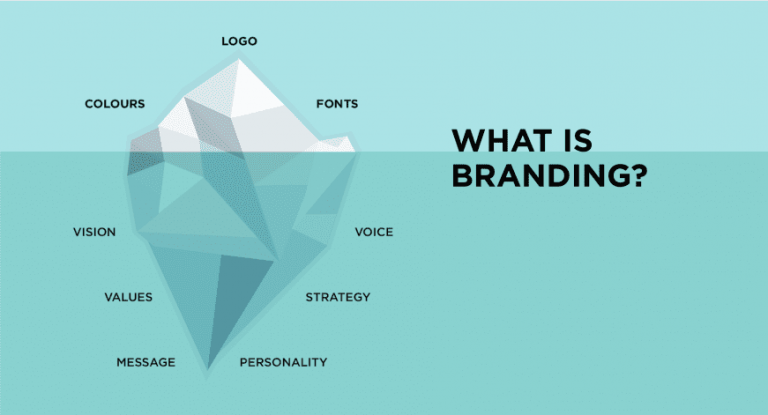
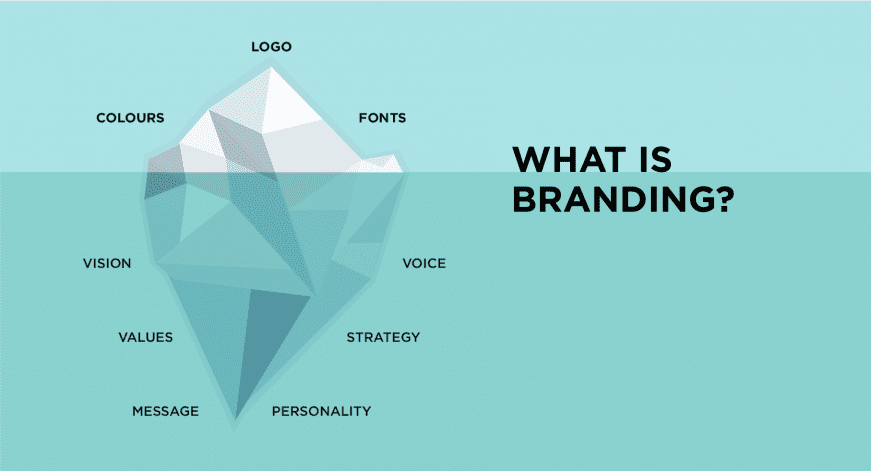
With the zoho branding kit at your disposal, businesses can elevate their brand presence and connect more effectively with their audience. This toolkit is designed to help companies craft a cohesive identity that resonates across all platforms. By integrating various branding elements, Zoho empowers users to maintain consistency and professionalism, crucial in today’s competitive market.

The Zoho Branding Kit encompasses essential components such as customizable templates, color schemes, and typography options. These elements are vital for establishing a unique brand identity, making it easier for businesses to stand out while using Zoho’s extensive suite of tools.

Introduction to Zoho Branding Kit

The Zoho Branding Kit serves as a comprehensive toolkit designed to help businesses establish and maintain a consistent brand identity across various platforms. It is essential for organizations utilizing Zoho tools to present a coherent brand image that resonates with their target audience and enhances brand recognition.A typical Zoho Branding Kit includes several vital components that contribute to a unified brand presence.

These components often encompass brand logos, color palettes, typography guidelines, and templates for marketing materials. Additionally, elements such as brand messaging, imagery guidelines, and social media assets are frequently included to ensure that every touchpoint reflects the brand’s core values and aesthetics.

Components of a Zoho Branding Kit

The importance of having a cohesive branding strategy cannot be overstated. Utilizing the Zoho Branding Kit effectively allows businesses to streamline their branding efforts and maintain consistency across various channels. Below are the primary components typically found in a Zoho Branding Kit:

  • Logos: The logos act as the visual cornerstone of a brand, representing its identity and values. Variations may include a full-color logo, monochrome versions, and icons for different uses.
  • Color Palette: A defined color scheme helps reinforce brand recognition. It includes primary and secondary colors that can be used in various materials, ensuring a consistent look and feel.
  • Typography: Specific font styles and sizes are Artikeld to create a uniform text appearance across all communications, providing clarity and enhancing brand personality.
  • Templates: Pre-designed templates for presentations, reports, and marketing materials ensure that all produced content aligns with the brand’s visual identity.
  • Imagery Guidelines: Clear guidelines on the types of images and graphics that align with the brand, including photography styles and illustrations, help maintain a cohesive visual storytelling approach.
  • Brand Messaging: Key phrases and messages that encapsulate the brand’s mission and vision, guiding the tone and language used in all communications.
  • Social Media Assets: Custom graphics and promotional materials tailored for various social media platforms to ensure consistent engagement with audiences.

The branding process using the Zoho tools includes not only setting up these components but also regularly reviewing and updating them to reflect any changes in the brand strategy or market conditions. This proactive approach to branding ensures that the business remains relevant and competitive in its industry.

“A strong brand is the foundation of a successful business.”

Key Features of the Zoho Branding Kit

The Zoho Branding Kit is designed to help businesses maintain a cohesive and professional brand identity across various platforms and tools. With features that enable customization, consistency, and creativity, the kit empowers users to present their unique brand effectively.The customizable elements within the Zoho Branding Kit provide users with the flexibility needed to adapt their branding to match their organization’s ethos.

Users can modify logos, color palettes, fonts, and more, ensuring that every aspect of their branding reflects their identity. This adaptability is crucial in today’s competitive market, where brand image plays a vital role in customer perception and loyalty.

Customizable Elements in the Branding Kit

The Zoho Branding Kit includes several customizable elements that ensure a uniform brand appearance. These elements allow businesses to create a recognizable identity that resonates with their audience. Below are key customizable aspects offered by the kit:

  • Logos: Users can upload and resize their company logos, adjusting them to fit various applications while maintaining quality.
  • Color Schemes: The kit allows for the creation of unique color palettes, facilitating brand consistency across all materials.
  • Typography: Users can select from a range of fonts that align with their brand personality, applying them across different platforms seamlessly.
  • Email Templates: Customizable email templates ensure branded communication aligns with the overall aesthetic of the company.
  • Social Media Assets: The kit provides tools for creating branded social media graphics to enhance online presence.

Leveraging Color Schemes and Typography

Color schemes and typography are critical components of a brand’s visual identity. The Zoho Branding Kit makes it easy to create harmonious color combinations and select font styles that convey the intended message. Color psychology plays an essential role in branding; for instance, blue often represents trust and professionalism, while green can symbolize growth and sustainability. To leverage these elements effectively, businesses should:

  • Choose a primary color that reflects the brand’s values and mission.
  • Select complementary colors for additional accents, ensuring they enhance the primary color rather than detract from it.
  • Utilize consistent font styles across all digital and print materials to reinforce brand recognition.
  • Maintain clarity and readability in typography by considering font size and spacing.

Examples of Successful Branding Applications

Many companies have successfully utilized the Zoho Branding Kit to enhance their brand identity. For instance, a local coffee shop utilized the kit to revamp its online presence, creating a cohesive look across its website, social media, and marketing materials. By applying a warm color palette and a playful font style, the brand was able to attract more customers and increase engagement on social media platforms.Another example is a tech startup that employed the branding kit to establish its corporate identity.

By designing a sleek logo and a professional color scheme, the startup successfully conveyed innovation and reliability, which helped in securing investor interest and attracting clients.These examples underscore the importance of consistent branding and how the Zoho Branding Kit can facilitate this process for various businesses.

Setting Up Your Zoho Branding Kit

Creating a Zoho Branding Kit allows you to maintain a consistent brand image across all your business communications. Having a well-defined branding kit not only helps in establishing brand identity but also streamlines the process of branding across various platforms and applications. Below, you will find a step-by-step guide for setting up your Zoho Branding Kit along with essential elements to include and tips for integrating with other Zoho applications.

Step-by-Step Guide to Create a Zoho Branding Kit

Initiating your Zoho Branding Kit can be a straightforward process when you follow a systematic approach. Here’s a step-by-step guide:

  1. Log in to your Zoho account and navigate to the Zoho Branding Kit section.
  2. Click on the “Create New Kit” button to start the setup.
  3. Enter your brand name and upload your logo in the designated area. Ensure the logo is in high resolution for the best appearance.
  4. Select your brand colors by entering the hex codes or using the color picker tool provided.
  5. Choose your brand fonts. You may have selection options for different font styles and weights.
  6. Upload any additional branding materials, such as images or icons that represent your brand.
  7. Once all elements are added, preview your branding kit to ensure everything looks cohesive.
  8. Finally, click on the “Save” button to finalize your branding kit.

Checklist of Elements to Include in the Branding Kit

Including the right elements in your Zoho Branding Kit is crucial for a comprehensive representation of your brand. Here’s a checklist to ensure you have everything covered:

Before finalizing your branding kit, make sure to include the following components:

  • Brand logo (primary and secondary versions)
  • Brand color palette (primary, secondary, and accent colors)
  • Typography (font families and sizes)
  • Iconography (style and usage guidelines)
  • Image style (photographic style and examples)
  • Brand voice guidelines (tone and style of communication)
  • Templates for documents and presentations

Integration of the Branding Kit with Other Zoho Applications

Integrating your newly created Zoho Branding Kit across other Zoho applications will enhance brand consistency in all communications and marketing efforts. Here are some key integration tips:

Applying your branding kit across various applications can be done seamlessly:

  • In Zoho CRM, apply your branding kit to email templates to ensure all outgoing communications reflect your brand identity.
  • For Zoho Campaigns, use the branding kit to customize your email campaigns and newsletters, ensuring a unified look.
  • In Zoho Projects, incorporate templates that align with your branding kit for project documentation and presentations.
  • Utilize Zoho Writer to create branded documents and reports by applying your defined styles and templates.

“Maintaining a consistent brand image is crucial for building trust and recognition in today’s competitive marketplace.”

Utilizing the Zoho Branding Kit Across Platforms

Maintaining a cohesive brand presence across various platforms is crucial for any business looking to enhance its visibility and trustworthiness. The Zoho Branding Kit serves as a vital tool for ensuring that your branding elements are consistently applied, irrespective of where your audience encounters your business. By utilizing the Zoho Branding Kit effectively, you can create a unified brand identity that resonates with your target audience.Brand consistency is essential as it helps establish your business’s identity and fosters customer recognition.

The Zoho Branding Kit allows you to easily manage and apply your branding elements across different platforms, ensuring that every touchpoint reflects your brand accurately. This consistency enhances customer confidence and loyalty, making it easier for them to connect with your brand.

Applying Branding Elements in Email Campaigns and Social Media

Incorporating branding elements into your email campaigns and social media posts is straightforward with the Zoho Branding Kit. By using the Kit, you can ensure that your logos, color schemes, and typography are uniform across all channels, which helps strengthen your brand’s presence.For email campaigns, the Zoho Branding Kit allows you to create customizable templates that incorporate your branding elements.

This means every email sent reflects your brand’s identity. Similarly, on social media platforms, the Kit enables you to create visually appealing graphics and posts that align with your branding. This not only attracts attention but also provides a consistent message to your audience.

Comparison of Branding Features in Various Zoho Applications

Understanding the branding features available across different Zoho applications can help you maximize your branding efforts. Here’s a comparative table showcasing branding capabilities across key Zoho apps:

Zoho Application Custom Logo Upload Color Customization Font Style Selection Template Creation
Zoho Mail Yes Yes No Yes
Zoho CRM Yes Yes Yes Yes
Zoho Campaigns Yes Yes Yes Yes
Zoho Social Yes Yes Yes Yes
Zoho Sites Yes Yes Yes Yes

By leveraging these features across different applications, you can ensure that every aspect of your branding is cohesive and effectively communicated to your audience. Remember, a consistent brand image across all platforms leads to stronger brand recognition and customer loyalty.

Best Practices for Using Your Zoho Branding Kit

The effective use of your Zoho Branding Kit can significantly enhance your brand’s identity and presence across various platforms. To maximize its potential, it is essential to adhere to certain best practices that ensure consistency, professionalism, and relevance in your branding efforts. When implementing your branding kit within Zoho tools, it’s crucial to recognize the dos and don’ts that can make or break your branding strategy.

Understanding common pitfalls and regularly updating your branding materials will keep your brand fresh and engaging.

Dos and Don’ts of Using Your Branding Kit

To ensure a successful integration of your branding kit, it’s important to follow some guidelines. Here are some essential practices to adopt and avoid:

  • Do maintain consistency: Use the same logos, color schemes, and typography across all platforms to create a cohesive brand image.
  • Do utilize templates: Leverage the customizable templates provided in the Zoho Branding Kit for various documents and communications to save time and ensure brand alignment.
  • Don’t alter brand elements: Avoid modifying logos, colors, or fonts outside the established guidelines as it can dilute brand recognition.
  • Don’t overlook updates: Regularly review and update your branding kit to ensure it reflects any changes in your business identity or market trends.

Common Mistakes to Avoid

Implementing your branding elements in Zoho tools can come with challenges. Here are some common mistakes to be wary of that can hinder your branding efforts:

  • Inconsistent usage: Failing to use your branding elements consistently across different documents and platforms can confuse your audience.
  • Neglecting mobile optimization: Ensure that your branding elements are responsive and look appealing on mobile devices, as a significant portion of users access content through their phones.
  • Ignoring user feedback: Engage with your audience and be open to their feedback regarding your branding elements, as their perspective can provide valuable insights on improvements.

Strategies for Regularly Updating Your Branding Kit

To keep your branding kit relevant, it’s essential to have a strategy in place for regular updates. Here are some effective strategies to consider:

  • Schedule periodic reviews: Set a timeline for reviewing your branding kit, ideally every six months, to ensure it aligns with current trends and your business goals.
  • Monitor industry trends: Stay informed about trends in your industry and adapt your branding elements as needed to stay competitive.
  • Incorporate seasonal updates: Refresh your branding kit to reflect seasonal themes or promotions, providing a dynamic touch to your brand without losing its core identity.

Case Studies of Successful Zoho Branding Kit Implementations

The Zoho Branding Kit has proven instrumental for numerous businesses looking to establish a cohesive and recognizable brand identity. By leveraging the features of the Branding Kit, these businesses have not only enhanced their visual presence but have also fostered deeper connections with their customers, ultimately driving engagement and loyalty. This section delves into several case studies that illustrate the successful implementation of the Zoho Branding Kit across various industries.

Retail Industry: GreenGrocer

GreenGrocer, a local organic food store, adopted the Zoho Branding Kit to streamline their branding across digital platforms and in-store marketing. By incorporating a uniform color palette and typography defined in the Branding Kit, they transformed their customer experience.

  • The new branding led to a 25% increase in foot traffic due to consistent branding across all platforms.
  • Customer feedback highlighted the professional look of promotional materials, enhancing trust and recognition.
  • With the Zoho Branding Kit, GreenGrocer improved its social media engagement rates by 40%, as customers related more strongly to the cohesive visual identity.

Technology Sector: TechWave Solutions

TechWave Solutions, a software development company, utilized the Zoho Branding Kit to present a unified brand image across their website, email campaigns, and promotional materials. The cohesive visual identity contributed significantly to their market positioning.

  • The Branding Kit’s templates allowed for quick adaptations for various campaigns, saving TechWave 30% in design costs.
  • After implementing the kit, their client onboarding experience improved, as the uniform brand aesthetics contributed to clearer communication.
  • Sales inquiries increased by 50% following the branding overhaul, showcasing the impact of professional branding on customer perception.

Service Industry: Stellar Cleaning Services

Stellar Cleaning Services revamped their branding using the Zoho Branding Kit, focusing on a clean and modern aesthetic that reflected their commitment to quality and reliability.

  • Employing the Branding Kit’s logo and color guidelines resulted in a 35% increase in new client referrals.
  • Consistent branding across social media and online reviews fostered trust, as evidenced by a surge in positive testimonials.
  • The visual identity helped differentiate Stellar Cleaning from competitors, showcasing their unique value proposition.

“A strong branding kit not only enhances visual appeal but also significantly impacts customer trust and loyalty.”

The detailed case studies of GreenGrocer, TechWave Solutions, and Stellar Cleaning Services illustrate the diverse applications of the Zoho Branding Kit. Each business has demonstrated how strategic branding implementation can enhance customer perception, leading to increased engagement and overall business success. The impactful results across various industries highlight the importance of maintaining a strong, cohesive brand identity in today’s competitive market.

Future Trends in Branding with Zoho Tools

As branding continues to evolve, the integration of technology in branding practices is becoming more crucial. Zoho tools offer a dynamic environment for businesses to enhance their branding efforts. With a keen focus on innovation, Zoho is poised to adapt to emerging trends that will shape the future of branding.One significant trend is the rise of personalized branding experiences. Companies are increasingly utilizing data analytics to tailor their branding strategies to better resonate with their target audiences.

Zoho’s customer relationship management (CRM) capabilities can facilitate this trend by providing insights into customer preferences and behaviors.

Emerging Trends in Branding

The branding landscape is witnessing several emerging trends that can be effectively integrated with Zoho applications. These trends focus on enhancing customer engagement and fostering brand loyalty. Key aspects include:

  • AI-Driven Branding: Artificial intelligence is set to play a major role in automating branding processes, from content generation to customer interactions. Zoho’s AI capabilities, particularly in tools like Zia, enable businesses to create more engaging and tailored branding materials.
  • Omni-Channel Presence: The importance of maintaining a consistent brand voice across multiple platforms cannot be overstated. Zoho’s suite of applications allows seamless integration across various channels, ensuring that branding efforts are cohesive and effective.
  • Sustainability in Branding: As consumers become more environmentally conscious, brands that communicate their sustainability efforts can gain a competitive edge. Zoho’s project management tools can help brands implement and track sustainability initiatives effectively.
  • Interactive and Immersive Experiences: The shift towards interactive content, such as augmented reality (AR) and virtual reality (VR), is gaining momentum. Although Zoho may not directly provide AR/VR tools, it can integrate with platforms that do, enhancing the branding experience.

Innovative Features on the Horizon

Zoho is known for its continuous development and enhancement of features within its applications. Anticipating future innovations, several features could significantly impact branding practices:

  • Advanced Analytics and Reporting: Enhanced analytics tools that offer deeper insights into brand performance, customer sentiment, and market trends could revolutionize how brands assess their effectiveness.
  • Personalization Engine: A sophisticated personalization engine that leverages data to create unique brand experiences for individual users can enhance engagement and loyalty.
  • Seamless Collaboration Tools: Tools designed for creative collaboration among teams can streamline the branding process, allowing for faster iterations and improved creativity in branding campaigns.
  • Integration with Emerging Technologies: Future integrations with external technologies, such as blockchain for brand authenticity and verification, can enhance trust and transparency in branding.

Predictions for Branding Practices Evolution

As technology continues to advance, branding practices will inevitably evolve. Predictions for the future include:

  • Increased Automation: The automation of branding processes will become more prevalent, allowing brands to focus on strategy and creativity rather than repetitive tasks.
  • Hyper-Personalization: Branding will move towards hyper-personalized experiences, where every interaction is tailored to individual customer needs, driven by advanced analytics from Zoho tools.
  • Greater Focus on Customer Experience: The customer experience will become central to branding strategies, with brands leveraging Zoho tools to track and enhance every touchpoint in the customer journey.
  • Integration of Social Responsibility: Brands will increasingly align their values with social causes, using Zoho’s tools to manage and promote these initiatives effectively.

Conclusive Thoughts

In summary, the Zoho Branding Kit not only streamlines the branding process but also enhances brand visibility and engagement. By utilizing its features effectively, businesses can ensure their branding efforts are coherent and appealing, ultimately leading to stronger customer connections and loyalty. Embracing these practices will position brands for success in an ever-evolving digital landscape.

FAQ Section

What is included in the Zoho Branding Kit?

The Zoho Branding Kit typically includes customizable templates, color schemes, typography options, and guidelines for maintaining brand consistency.

How can I ensure brand consistency using the kit?

You can maintain brand consistency by applying the same color schemes, typography, and logo across all platforms and communications as Artikeld in your Zoho Branding Kit.

Can I integrate the branding kit with other Zoho applications?

Yes, the Zoho Branding Kit can be integrated with various Zoho applications, allowing you to apply your branding elements seamlessly across different tools.

What are common mistakes to avoid when using the branding kit?

Common mistakes include inconsistent use of brand colors and fonts, neglecting to update branding elements regularly, and failing to follow the branding guidelines.

How often should I update my Zoho Branding Kit?

It’s advisable to review and update your Zoho Branding Kit at least once a year or whenever there are significant changes in your brand strategy or market trends.

Understanding branding and marketing is crucial for any business, large or small. It’s more than just slapping a logo on a product; it’s about crafting a unique identity and effectively communicating that identity to your target audience. This journey delves into the intricacies of both branding and marketing, revealing how they work together to build lasting customer relationships and drive business growth.

From defining core branding elements to exploring various marketing strategies, this guide offers a deep dive into the world of business promotion. We’ll examine the fundamental principles, highlight successful campaigns, and discuss the evolving role of digital marketing in today’s interconnected landscape. This exploration is designed to equip you with the knowledge needed to navigate the dynamic realm of branding and marketing.

Defining Branding and Marketing

Branding and marketing are crucial for any business aiming to thrive in today’s competitive landscape. They are intertwined strategies that, when implemented effectively, can significantly enhance a company’s reputation, customer loyalty, and ultimately, its profitability. Understanding the nuances of branding and marketing is vital for achieving these goals.A strong brand resonates with customers on an emotional level, fostering trust and loyalty.

Effective marketing strategies translate this brand resonance into tangible actions, driving sales and achieving business objectives.

Defining Branding

Branding is more than just a logo or a tagline. It’s the comprehensive process of creating a unique identity for a product, service, or company. This identity encompasses a set of values, beliefs, and promises that customers associate with the brand. Core elements include a brand’s personality, values, visual identity (logo, colors, typography), and brand voice (tone and style of communication).

A strong brand fosters recognition, trust, and ultimately, loyalty.

Brand Identity vs. Brand Image

Brand identity is the meticulously crafted, controlled representation of a brand. It’s the essence of the brand as defined by the organization. Brand image, conversely, is the perception of the brand held by the public. This perception is influenced by various factors, including customer experiences, marketing efforts, and media coverage. While the brand identity is the intended message, the brand image is the actual message received.

The Relationship Between Branding and Marketing

Branding and marketing work hand-in-hand. Branding lays the foundation, defining the core values and identity of the brand. Marketing then leverages this foundation to connect with target audiences, communicate the brand’s message, and drive sales. Marketing activities, such as advertising and promotions, help translate the brand’s identity into tangible experiences for customers.

Principles of Effective Branding

Effective branding is built on several key principles. These principles are essential for creating a lasting and meaningful connection with the target audience.

  • Consistency: Maintaining a consistent brand message across all platforms and interactions ensures a unified and memorable experience for customers.
  • Authenticity: Brands that are true to themselves and their values resonate more deeply with customers, fostering trust and loyalty.
  • Relevance: A brand’s message and identity should be relevant to the needs and desires of its target audience. This ensures that the brand resonates and is meaningful to customers.
  • Uniqueness: Standing out from the competition requires a unique brand identity. This could involve a distinct personality, a specialized offering, or a compelling brand story.
  • Memorability: A memorable brand is easily recalled and recognized. Strong branding elements such as a memorable logo, tagline, or brand voice contribute to this.

Different Branding Strategies

Various branding strategies cater to different business needs and goals. The choice of strategy often depends on the nature of the business and its target market.

Branding Strategy Description Examples
Corporate Branding Focuses on building a unified brand identity for an entire company and its various products or services. Coca-Cola, Nike
Personal Branding Building a strong personal brand that reflects one’s expertise, skills, and values. Influencers, authors, consultants
Product Branding Focusing on creating a distinct identity for individual products or services within a company’s portfolio. Specific smartphone models, types of cars
Service Branding Creating a strong brand identity for a service-based business, highlighting the experience and value proposition. Hotels, airlines, consulting firms

Understanding Marketing Fundamentals

Marketing is more than just advertising; it’s a multifaceted discipline encompassing strategies for connecting with target audiences and achieving business objectives. Understanding the core principles of marketing is crucial for success in today’s competitive landscape. This section delves into the fundamentals, including the marketing mix, key objectives, research methodologies, and successful campaign examples.Effective marketing hinges on a deep understanding of the target audience and a well-defined strategy.

A thorough understanding of these elements is essential for crafting campaigns that resonate with the intended audience and drive desired outcomes.

Marketing Mix (4Ps or 7Ps)

The marketing mix, often referred to as the 4Ps (Product, Price, Place, Promotion), or the extended 7Ps (adding Process, People, and Physical Evidence), represents a crucial framework for developing and implementing effective marketing strategies. Understanding and managing these elements is fundamental to success.

  • Product: This encompasses the tangible or intangible offering, including features, benefits, design, quality, and brand identity. A successful product strategy considers the customer’s needs and desires, aligning the product with the target market.
  • Price: Pricing strategy determines the value proposition and profitability. Factors considered include production costs, competitor pricing, market demand, and desired profit margins.
  • Place (Distribution): This refers to the channels and methods used to deliver the product to the customer. Effective distribution strategies ensure products reach the right consumers at the right time and place.
  • Promotion: Promotion encompasses all communication efforts to create awareness, generate interest, and drive demand for the product or service. Effective promotion utilizes various channels, such as advertising, public relations, and social media.
  • Process: This aspect considers the operational efficiency and customer experience throughout the entire process, from purchase to delivery and after-sales support.
  • People: This emphasizes the importance of employees and their interaction with customers. Customer-centric approaches and trained personnel are critical to success.
  • Physical Evidence: This includes the tangible aspects of the brand and service, such as the environment, packaging, and communication materials. These aspects create a lasting impression on the customer.

Marketing Objectives and Goals

Clearly defined marketing objectives and goals are essential for measuring success and aligning actions with strategic business plans. These objectives should be specific, measurable, achievable, relevant, and time-bound (SMART).

  • Brand Awareness: Increasing the recognition and recall of the brand among the target audience.
  • Lead Generation: Attracting potential customers and converting them into leads through various channels.
  • Sales Growth: Increasing the volume or value of sales within a specific timeframe.
  • Market Share: Gaining a larger portion of the target market compared to competitors.
  • Customer Acquisition: Attracting new customers and onboarding them into the customer base.
  • Customer Retention: Maintaining existing customers and fostering loyalty.

Market Research Methods

Market research is a crucial element in understanding the target market and informing marketing strategies. Various methods are employed, each with its specific applications.

  • Surveys: Collecting data through structured questionnaires to understand customer opinions, preferences, and behaviors.
  • Focus Groups: Facilitating group discussions to gather in-depth insights into consumer perceptions and attitudes.
  • Interviews: Conducting one-on-one discussions to gain detailed understanding of individual consumer perspectives.
  • A/B Testing: Comparing different versions of marketing materials or strategies to determine the most effective approach.
  • Data Analytics: Analyzing existing data sets to identify trends and patterns related to consumer behavior and market dynamics.

Successful Marketing Campaigns

Numerous successful marketing campaigns have demonstrated innovative strategies and effective execution. Examples showcase the importance of understanding the target audience and crafting compelling messages.

  • Example 1: [Brief description of a successful campaign, e.g., Dove’s “Real Beauty” campaign, highlighting the core message and its impact.]
  • Example 2: [Brief description of another successful campaign, e.g., Nike’s “Just Do It” campaign, outlining its core message and impact.]

Stages of a Typical Marketing Plan

A structured marketing plan Artikels the steps to achieve defined marketing objectives.

Stage Description
Situation Analysis Assessment of the current market, competitive landscape, and internal capabilities.
Target Market Identification Defining the specific customer segments to focus on.
Marketing Objectives and Strategies Setting measurable goals and outlining actions to achieve them.
Implementation and Control Putting the plan into action and tracking progress.
Evaluation and Adjustments Assessing the effectiveness of the plan and making necessary changes.

The Role of Digital Marketing

Digital marketing has revolutionized the way businesses interact with customers and achieve their goals. Its pervasiveness in today’s interconnected world necessitates a robust understanding of its nuances and capabilities. This section delves into the significance of digital marketing, its key channels, and its contrasting features compared to traditional approaches. Furthermore, it will Artikel essential metrics for success and steps for crafting an effective digital marketing strategy.

Importance of Digital Marketing in Today’s World

Digital marketing has become indispensable in the modern business landscape. Its reach extends beyond geographical boundaries, connecting businesses with a global audience. The ability to target specific demographics and tailor messaging to individual preferences allows for enhanced customer engagement and personalized experiences. Real-time data analysis enables businesses to adapt their strategies swiftly to changing market trends and consumer behaviors.

Key Digital Marketing Channels and Platforms

Digital marketing leverages a diverse array of channels and platforms. Social media platforms like Facebook, Instagram, and Twitter offer avenues for direct engagement with customers. Search engines like Google provide opportunities for organic visibility and targeted advertising. Email marketing remains a powerful tool for building relationships and driving conversions. Other crucial channels include online advertising, content marketing, and mobile marketing.

These channels, when strategically implemented, contribute to a holistic and effective digital marketing campaign.

Comparison of Traditional and Digital Marketing

Traditional marketing methods, such as print advertising and television commercials, often have a broader reach but lack the precision and measurability of digital marketing. Digital marketing excels in its ability to track and analyze campaign performance, allowing for rapid adjustments and optimization. Traditional methods, on the other hand, often require substantial upfront investment with limited ability to precisely target specific demographics.

Digital marketing’s ability to personalize experiences and track results provides a significant advantage in the modern market.

Metrics for Measuring Digital Marketing Success

Various metrics are crucial for evaluating the efficacy of digital marketing campaigns. Key Performance Indicators (KPIs) such as website traffic, conversion rates, click-through rates, engagement metrics (likes, shares, comments), and return on investment (ROI) provide a comprehensive understanding of campaign performance. These metrics allow for informed decisions and adjustments to optimize campaigns for maximum impact.

Developing a Comprehensive Digital Marketing Strategy

A successful digital marketing strategy involves several key steps. Firstly, understanding the target audience is paramount. Next, define clear objectives and measurable goals. The development of a content calendar, tailored messaging, and selection of appropriate channels are critical elements. A robust analysis of the competitive landscape is also essential.

Monitoring performance metrics and adapting the strategy based on data analysis are ongoing processes crucial for achieving optimal results.

Pros and Cons of Different Digital Marketing Tactics

Digital Marketing Tactic Pros Cons
Search Engine Optimization () Improved organic search rankings, cost-effective in the long run, builds brand credibility. Results take time to materialize, requires ongoing effort and expertise.
Social Media Marketing Direct engagement with customers, targeted advertising options, increased brand awareness. Requires significant time commitment, potential for negative feedback and brand damage.
Pay-Per-Click (PPC) Advertising Targeted advertising, quick results, measurable ROI. High costs if not managed effectively, requires constant monitoring and optimization.
Email Marketing Direct communication with customers, personalized messaging, cost-effective. Requires building an email list, managing unsubscribes, potential for spam complaints.
Content Marketing Builds brand authority, attracts organic traffic, establishes thought leadership. Time-consuming to create high-quality content, may not immediately generate sales.

This table summarizes the advantages and disadvantages of different digital marketing approaches. Careful consideration of each tactic’s strengths and weaknesses is vital for developing a balanced and effective digital marketing strategy.

Branding in the Digital Age

Branding in the modern era is fundamentally intertwined with the digital landscape. Businesses must adapt their strategies to resonate with audiences online, recognizing that digital interactions significantly shape brand perception. Traditional branding approaches, while valuable, need augmentation with digital strategies for optimal impact and growth in today’s market.

Adapting Branding Strategies to the Digital Environment

Digital platforms necessitate a shift in branding strategies, demanding a more dynamic and interactive approach. Brands must embrace flexibility and responsiveness to evolving consumer preferences and expectations. This requires continuous monitoring of online conversations, trends, and feedback to adapt messaging and campaigns in real-time. Brands need to understand the nuances of their target audience’s digital behavior and tailor their content and interactions accordingly.

Successfully navigating the digital space involves fostering a brand personality that is authentic, engaging, and relatable across various online channels.

Impact of Social Media on Branding

Social media platforms have become powerful tools for brand building and engagement. These platforms allow brands to connect directly with consumers, fostering a sense of community and trust. Authenticity and transparency are crucial on social media; brands that present a genuine persona and actively engage with followers are more likely to cultivate positive brand image and build loyalty.

Effective social media strategies often involve tailored content, interactive campaigns, and responsive customer service.

Customer Experience in the Digital Space

Customer experience (CX) plays a pivotal role in shaping brand perception in the digital environment. A seamless and positive digital experience is essential for fostering customer loyalty and brand advocacy. Brands must strive to create intuitive websites, responsive mobile apps, and efficient online support channels to provide a consistent and high-quality experience. Collecting customer feedback through surveys and reviews is critical to identify areas for improvement and maintain a positive online reputation.

Content Marketing for Brand Awareness

Content marketing is a key element of digital branding. Creating valuable and engaging content attracts potential customers, positions the brand as a thought leader, and enhances brand visibility. This can include blog posts, articles, videos, infographics, and social media updates. The key is to produce content that addresses the needs and interests of the target audience, establishing trust and demonstrating expertise.

Successful content marketing often involves optimization to increase discoverability and organic reach.

Online Reputation Management

Online reputation management (ORM) is vital for brand building in the digital age. Negative reviews and comments can significantly impact brand perception, whereas positive feedback can boost brand trust and loyalty. Brands must actively monitor their online presence, responding to both positive and negative feedback promptly and professionally. Proactive ORM strategies involve addressing concerns, resolving issues, and showcasing positive brand experiences.

Examples of Successful Digital Brands

Numerous brands successfully leverage digital platforms for branding. For instance, companies like Nike and Apple effectively use their websites and social media channels to engage with customers and build a strong brand identity. Their campaigns often feature user-generated content, interactive elements, and a focus on fostering a sense of community around their products. Similarly, companies like Dove and Patagonia demonstrate how authentic messaging and engagement with their values can build strong connections with consumers.

Comparison of Digital Branding Platforms

Platform Strengths Weaknesses
Social Media (Facebook, Instagram, Twitter) Direct customer engagement, highly visible, cost-effective Requires consistent content creation, susceptible to negative feedback, algorithms can impact visibility
Search Engine Optimization () Organic traffic, long-term visibility, cost-effective Requires ongoing optimization, results can take time, highly competitive
Email Marketing Direct communication, targeted campaigns, measurable results Requires building an email list, potentially perceived as intrusive, spam filters can impact deliverability
Paid Advertising (Google Ads, Social Media Ads) Targeted reach, measurable results, quick results Can be expensive, requires careful targeting, not always sustainable

Marketing Strategies for Different Industries

Crafting effective marketing strategies hinges on understanding the nuances of each industry. Different industries face distinct challenges and opportunities, demanding tailored approaches to branding and marketing. This section delves into the specifics of tailoring strategies for diverse sectors, from technology to fashion and food.

Comparing Branding and Marketing Strategies Across Industries

Various industries necessitate unique approaches to branding and marketing. The tech industry, for example, often emphasizes innovation and cutting-edge technology in its messaging. Fashion, on the other hand, prioritizes aesthetics and trends. Food marketing focuses heavily on taste, experience, and often, emotional connections with consumers. These distinct approaches reflect the core values and expectations of customers in each industry.

Unique Challenges and Opportunities in Different Industries

Each industry presents a unique set of challenges and opportunities. The tech industry faces the challenge of rapid innovation, demanding constant adaptation and staying ahead of the curve. The pressure to innovate and maintain a cutting-edge image can be immense. In contrast, the fashion industry must contend with fickle trends and rapid changes in consumer preferences. Successful strategies in this sector rely heavily on understanding and capitalizing on current fashion cycles.

The food industry, meanwhile, faces rigorous regulations and stringent quality standards, demanding meticulous attention to detail in all aspects of production and marketing. However, the opportunities to create emotional connections with consumers through taste and experience are significant.

Examples of Successful Marketing Campaigns in Specific Industries

Numerous successful marketing campaigns have showcased tailored strategies across various industries. Apple, a prominent player in the tech industry, consistently emphasizes the elegance and simplicity of its products through sleek advertising campaigns. Nike, in the sports apparel sector, has effectively built a brand around athleticism and inspiration, using athletes as powerful brand ambassadors. Starbucks, a leader in the coffee industry, fosters a strong brand identity centered around community and experience, creating a unique atmosphere and fostering customer loyalty.

Key Considerations for Targeting Specific Customer Segments in Different Industries

Identifying and targeting the appropriate customer segments is critical for success in any industry. Tech companies often target early adopters and tech enthusiasts. Fashion brands may focus on specific age groups or style preferences. Food companies often cater to diverse dietary needs and preferences, including health-conscious consumers, vegans, and those seeking specific flavors. Understanding these segments allows for tailored messaging and product development.

Marketing Practices for Various Business Models

Business Model Best Marketing Practices
Direct-to-Consumer (DTC) Building a strong online presence, direct engagement with customers through social media and email marketing, personalized recommendations, and leveraging data analytics for customer insights.
Retail Creating engaging in-store experiences, implementing loyalty programs, leveraging visual merchandising, and targeted advertising campaigns focusing on local areas.
B2B (Business-to-Business) Content marketing focused on industry-specific issues, establishing thought leadership, building relationships through networking events and trade shows, and emphasizing value propositions tailored to business needs.

Measuring Success and ROI

Assessing the effectiveness of marketing efforts is crucial for optimizing strategies and maximizing return on investment (ROI). Tracking key metrics allows businesses to understand what resonates with their target audience and adjust campaigns for better results. This involves more than just counting likes or impressions; it requires a deep dive into the data to identify meaningful trends and patterns.Understanding the methods for measuring marketing effectiveness empowers businesses to refine their approach, ensuring that marketing initiatives deliver a substantial return on investment.

A data-driven approach to marketing enables companies to make informed decisions, ultimately leading to greater profitability.

Methods for Tracking Marketing Effectiveness

Various methods are available for tracking and measuring the effectiveness of marketing campaigns. These range from simple website analytics to complex attribution modeling. Effective tracking allows businesses to pinpoint the impact of different marketing activities and allocate resources accordingly.

  • Website analytics tools (e.g., Google Analytics) provide valuable insights into website traffic, user behavior, and conversion rates. These tools track key metrics like page views, bounce rate, time on site, and conversion rates, enabling businesses to identify areas for improvement and optimize their website for better performance.
  • Social media analytics tools offer insights into social media engagement, reach, and audience demographics. They allow businesses to monitor how their content performs on different platforms and adjust their strategy accordingly. This includes tracking metrics such as likes, shares, comments, followers, and engagement rates.
  • Sales data provides direct evidence of the impact of marketing efforts on revenue generation. Analyzing sales figures across different time periods, alongside marketing campaign data, helps to establish clear correlations between marketing activities and revenue growth. This is a crucial method for measuring the impact of marketing initiatives on overall sales.

Importance of Key Performance Indicators (KPIs)

Key Performance Indicators (KPIs) are quantifiable metrics used to track progress toward specific marketing goals. They provide a framework for assessing the success of campaigns and identifying areas for improvement. Effective KPI selection is essential for accurately evaluating marketing performance.

  • Conversion rates are a key metric reflecting the percentage of visitors who complete a desired action (e.g., making a purchase, signing up for a newsletter). High conversion rates indicate successful marketing efforts, while low rates highlight areas requiring optimization.
  • Customer acquisition cost (CAC) represents the average cost of acquiring a new customer. This metric helps businesses evaluate the efficiency of their marketing strategies and identify cost-effective channels for customer acquisition. Low CAC is a desirable outcome.
  • Customer lifetime value (CLTV) estimates the total revenue a customer is expected to generate throughout their relationship with a business. High CLTV indicates that marketing efforts are effectively attracting and retaining valuable customers.

Examples of Metrics for Measuring ROI

Various metrics can be used to measure the ROI of different marketing activities. These metrics provide a clear picture of the return on investment for each marketing initiative.

  • For social media campaigns, metrics like engagement rate, reach, and website traffic driven by social media posts can be used to evaluate ROI. Analyzing the correlation between social media activity and website conversions is critical for measuring success.
  • For email marketing, open rates, click-through rates, and conversion rates from email campaigns can be used to measure ROI. The number of leads generated and their subsequent conversion into customers is an important metric.
  • For search engine marketing (SEM), cost-per-click (CPC), click-through rate (CTR), and conversion rate from paid search ads are essential metrics. A high conversion rate and low CPC indicate a successful SEM campaign.

Data Analysis in Marketing Strategy Optimization

Data analysis is critical for optimizing marketing strategies. By analyzing data from various sources, businesses can identify trends, patterns, and insights that inform decision-making and improve campaign effectiveness.

  • Data analysis helps to identify the most effective marketing channels and campaigns, allowing businesses to allocate resources more strategically. Analyzing the performance of different channels and campaigns reveals which ones deliver the highest ROI.
  • Analyzing customer data helps to understand customer behavior, preferences, and needs. This information allows businesses to personalize marketing messages and tailor their offerings to specific customer segments.
  • By continuously analyzing marketing data, businesses can identify trends and adapt their strategies accordingly. This iterative approach enables businesses to stay ahead of the curve and optimize their marketing campaigns for maximum impact.

Calculating ROI for Various Marketing Campaigns

A table illustrating how to calculate ROI for different marketing campaigns is provided below.

Marketing Campaign Formula Example Calculation
Social Media Campaign ((Total Revenue – Total Costs) / Total Costs) – 100 ((€10,000 – €2,000) / €2,000) – 100 = 400%
Email Marketing Campaign ((Total Revenue – Total Costs) / Total Costs) – 100 ((€5,000 – €1,000) / €1,000) – 100 = 400%
Search Engine Marketing (SEM) Campaign ((Total Revenue – Total Costs) / Total Costs) – 100 ((€8,000 – €1,500) / €1,500) – 100 = 433%

Conclusive Thoughts

What is Branding? Understanding its Importance in 2023

In conclusion, successful branding and marketing strategies are built on a strong foundation of understanding your target audience, crafting a compelling brand identity, and utilizing effective marketing channels. This guide has provided a comprehensive overview of the essential elements involved, from the initial brand definition to the critical measurement of return on investment. By applying these principles, businesses can establish a powerful presence in the market, build lasting customer relationships, and ultimately achieve sustainable growth.

FAQs

What’s the difference between brand identity and brand image?

Brand identity is the controlled, planned representation of a brand—the logo, colors, fonts, and overall visual style. Brand image is the perception of the brand held by the public, often influenced by external factors like media coverage and customer experiences.

How do I choose the right marketing objectives?

Effective marketing objectives should be SMART: Specific, Measurable, Achievable, Relevant, and Time-bound. Consider your business goals, target audience, and available resources when setting objectives.

What are some common mistakes in digital marketing?

Ignoring mobile optimization, failing to track key metrics, poor content quality, not adapting to evolving algorithms, and lacking a consistent brand voice across platforms are common digital marketing pitfalls.

How can I measure the ROI of a marketing campaign?

Tracking key performance indicators (KPIs) like website traffic, conversion rates, lead generation, and sales figures, alongside cost analysis, helps determine the return on investment of a marketing campaign.